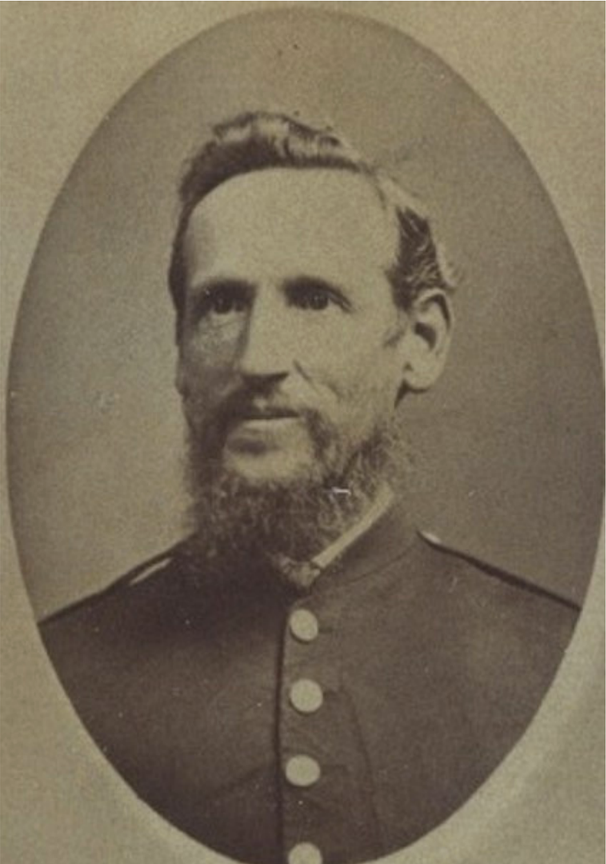
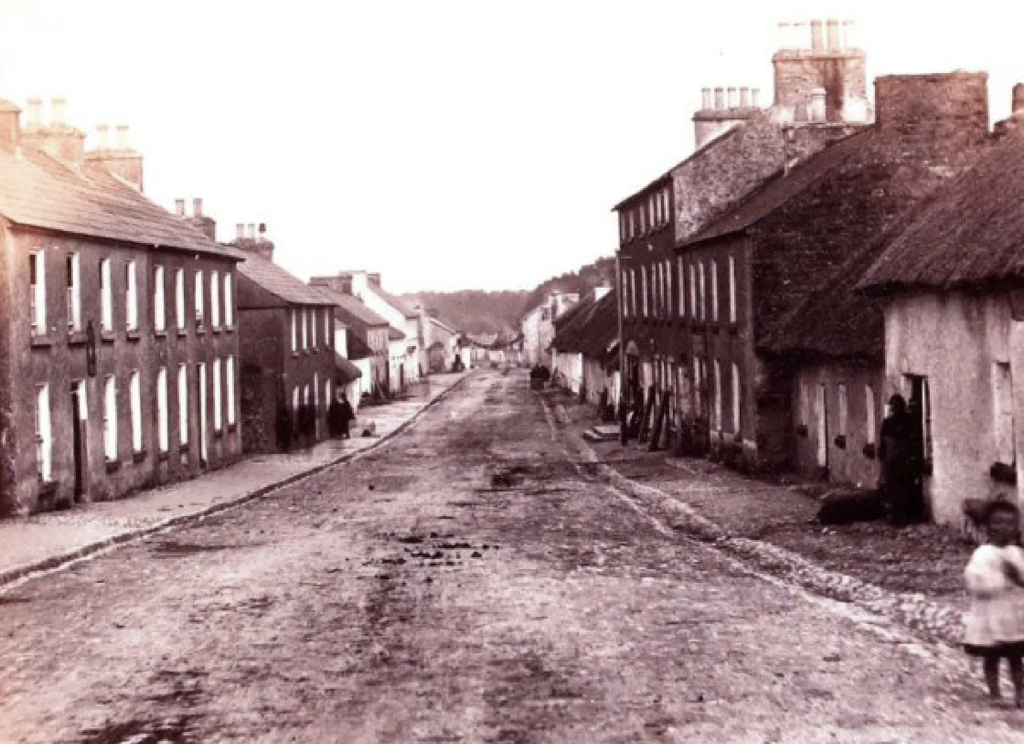
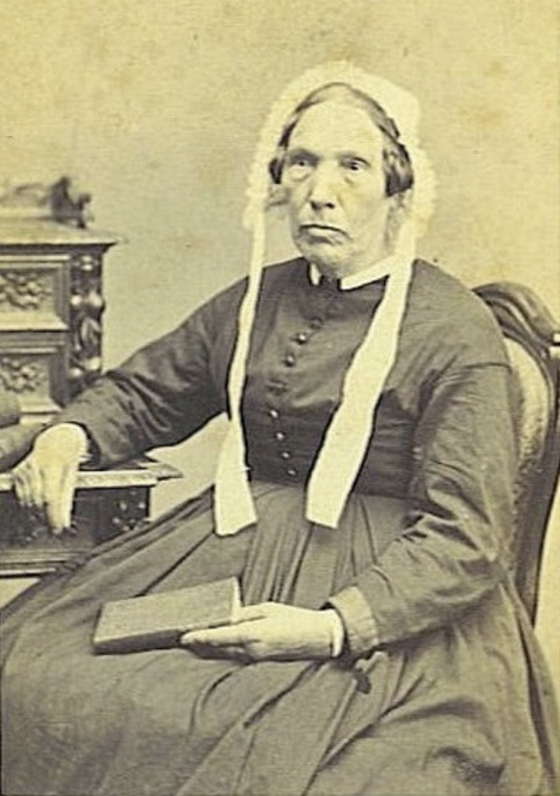
Joseph Ladd Mayes was a Victorian Constable involved in the hunt for Harry Power and Ned Kelly, two of the most notorious bushrangers in Australian history. Mayes was a Senior Constable (Sergeant) in the Victorian Police Force between 1858 and 1895. He was born in Headford on 20 January 1833. His father (Joseph) was a successful and award-winning market gardener. Mayes’ mother, Rebecca Lydon was from Moycullen. Mayes spent much of his early life in Headford. Whether it was because of the Great Famine (1845–50) or simply a desire to travel, he left for the United States during that period. He arrived in New York where he met his first wife, Marriann Piquet, an expatriate of Switzerland. They were married on 3 December 1855 and had at least one child, Charles. On 22 February 1858, the family boarded a ship, Mini Har Har for Australia. Two and a half months later they arrived in Melbourne. In January 1860, another son, John was born. However, tragedy struck a month later when Charles died. Two other children followed; Rebecca and Sarah.
The police in Victoria were on a recruiting campaign and Mayes responded, and he was sworn in as a mounted constable. After six months in training he served in Melbourne, before being posted to Ballarat. Mayes proved a determined and reliable policeman. His investigative work led to the arrest of two killers, Searle and Ballan. They had robbed a banker of a gold shipment and then murdered him. Mayes made the arrests and also recovered the gold shipment. The faced trial and were hanged for the murder. Ballarat was a gold mining town and it was essential to send out a clear message to any other would-be bandits or killers. However, there was much resentment on the part of two fellow officers. They had spent a lot of time in trying to solve the murder, without success. They were so incensed at Mayes having solved the case that they began to try and discredit him. One of them was his superior, Superintendent Hill. During a Royal Commission in 1882, Mayes said that he and his family were persecuted to such an extent that he feared for their lives and decided to leave the district.
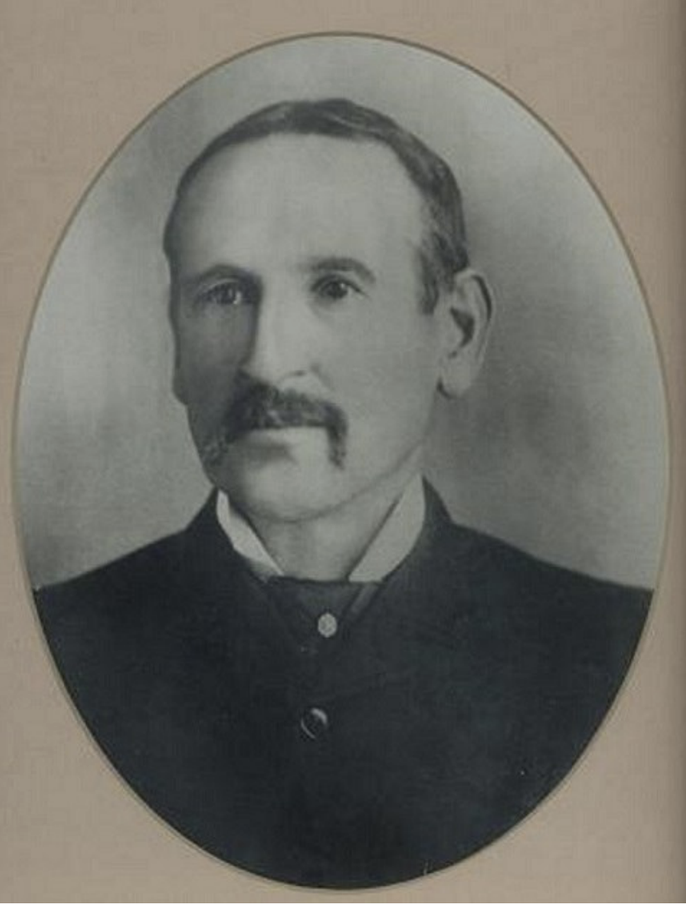
His application for a new post was successful, and he returned to Melbourne with his family. The controversy of the Ballarat case followed him and there were several unsuccessful attempts were made to sabotage his career. This was brought to the attention of the two most senior police officers, Captain Frederick Standish and Superintendent Frances Hare. This put an end to the harassment, and he was honoured for his outstanding police work. However, the worry and stress had a terrible effect on his wife, and it was said to have eventually caused her death. In 1870, The New South Wales Police Gazette reported that Mayes was fired on when two horse thieves tried to kill him. He
managed to capture them and brought to trial.
Recommended by Captain Standish (Chief Commissioner of Police), Mayes was appointed to a post at Marysville (Yarra Track), Victoria where his career as an officer flourished. On his advice, the Marysville station was upgraded, and it vastly improved conditions for the police there. He also travelled abroad and observed policing in other countries. Returning to Melbourne in 1874, he reported: “I saw the police force in England, Ireland and America, and I consider that we have as good material for a police force in Victoria as any of those countries”.
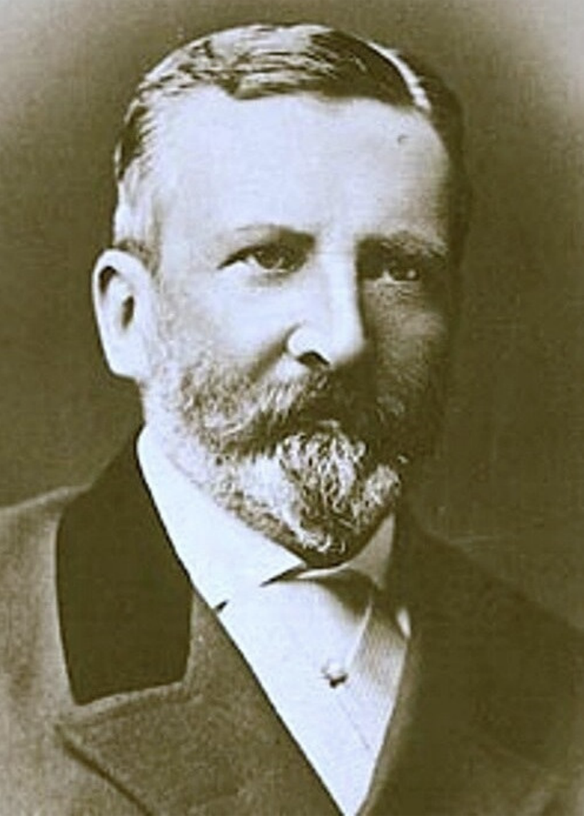
Mayes skill as a bushman was called upon by Superintendent Frances Hare after being informed that Harry Power, a notorious bushranger was hiding out in the Mansfield area. Harry Power was an alias; his real name was Henry Johnson. He was also Irish and in 1840, he was convicted of stealing a pair of shoes and was sentenced to seven years transportation. While working as a horse dealer, Power was stopped by police and accused of stealing the animals. A fight ensued, and he wounded one of the policemen and fled the scene. Power was later captured and sentenced to thirteen years in prison. He escaped in 1862, but was re-captured and another seven years was added to his sentence. However, he escaped again in 1869. This time he began robbing coaches, which resulted in a £500 reward being offered for his capture. While in prison Power had met two brothers, Thomas and Jack Lloyd, relatives of Ned Kelly. By this time the brothers had been released from prison. Power turned up on their doorstep under his new name, Harry Power. He became friends with Ned Kelly, who was still a teenager at the time. He also met John and James Quinn, owners of Glenmore Station. Because of its remoteness, Power set up camp on a hill overlooking the Glenmore Homestead. He continued his highwayman activities earning himself a notorious Bushranger reputation.
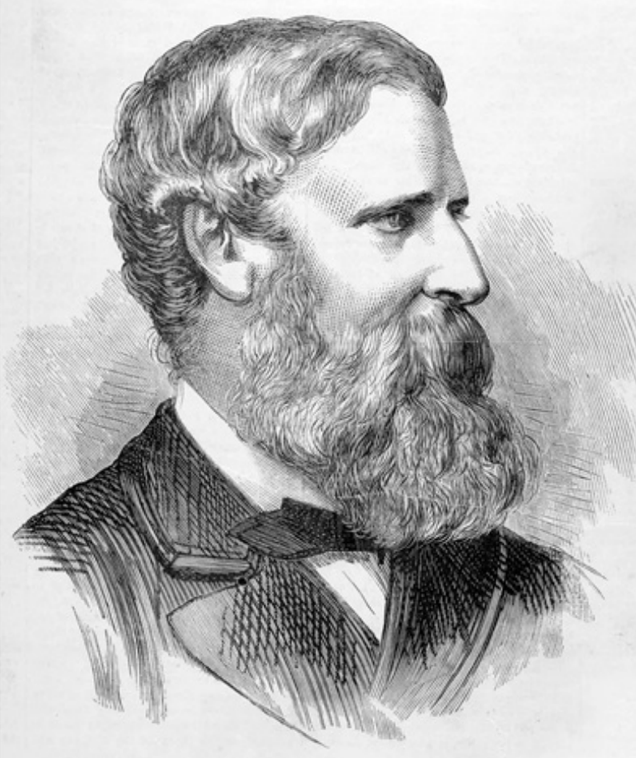
In 1870, Superintendent Hare requested Mayes to put a team together and hunt down Harry Power. Mayes, along with a police colleague, Constable Potter and an aboriginal tracker set out from Marysville. They followed a track through rugged bush-land in search of the outlaw. They received information that Power was in the area and was a regular visitor of the Quinn family. Mayes left the horses and supplies at Mansfield and crossed the harsh country around Glenmore on foot, to avoid attracting too much attention. However, they failed capture Power and while returning to Mansfield, Mayes was confronted by a party police, led by an officer named Furnell. Mayes was questioned rather forcefully about his presence in Mansfield. Mayes explained that he was under orders from Superintendent Hare to capture Harry Power. This didn’t sit well with Furnell, and he ordered Mayes to return to Marysville. He did so without giving Furnell the vital information about Power.
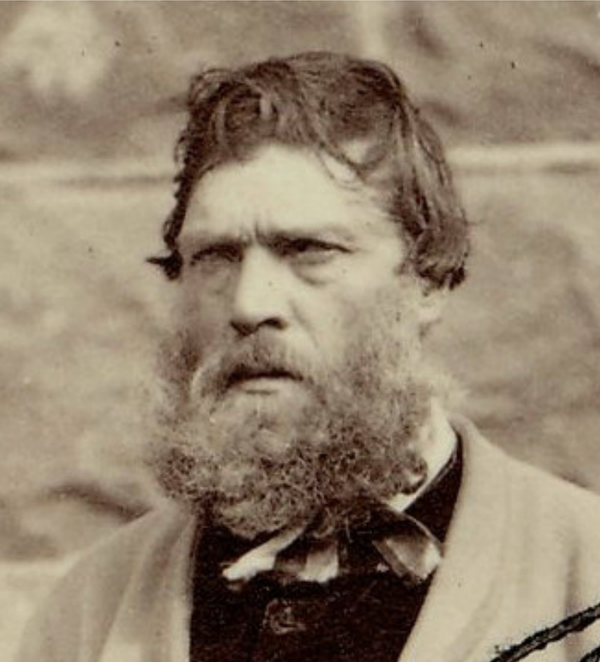
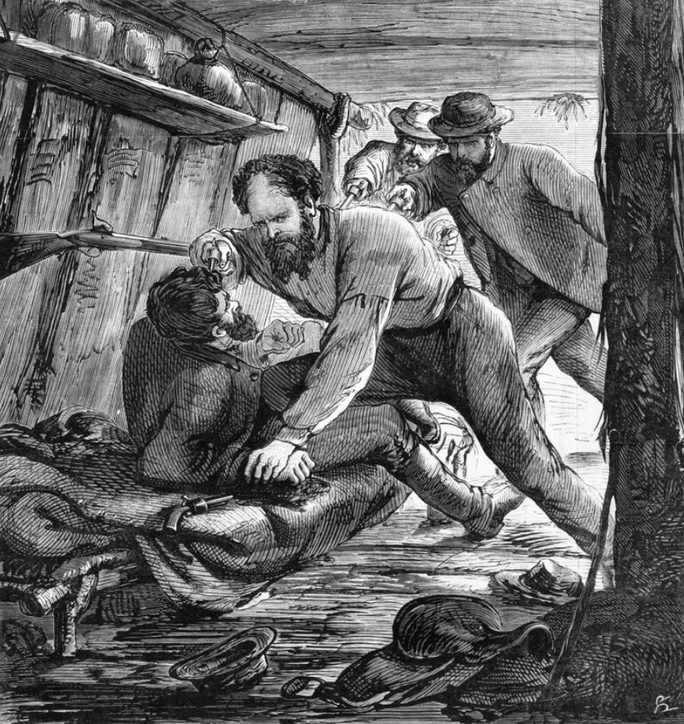
Sources mention that Mayes made his report directly to Superintendent Hare and this supposedly led to the capture of Power near the Quinn property. Power was taken back to Melbourne where he received an enthusiastic welcome from the general public. Power was sentenced to fifteen years hard labour. His health deteriorated resulting in philanthropist, Lady Janet Clarke appealing for his release. She was successful and employed him as a gamekeeper on her estate. In 1891, Power became a guide on an old ‘museum’ prison ship, where he had once served time. Just over a year later his body was discovered in the Murray River, but his death remains a mystery.
At the Royal Commission (1882), Mayes was asked if he had been deliberately forced out of the pursuit of Harry Power by senior police officers. It was common knowledge that Mayes was closing in on Harry Power, and it was well known that there was fierce rivalry between some police officers at that time. The Commission was trying to establish if some policemen had used their position of authority to gain credit for the capture of Power. Mayes stated that this was certainly not the case regarding Superintendent Hare.
By now, Mayes had married again, his second wife was a lady named Eugenie and they eventually had seven children. In May 1885, Mayes was promoted to Sergeant after being recommended by the Bench of Magistrates in Victoria. Police records state the Magistrates expressed: “Their high appreciation of the zeal, skill and activity displayed by Senior Constable Mayes”. He was then transferred to Lancefield where he would eventually encounter Ned Kelly.
Ned Kelly had his first altercation with the police at the age fifteen when he was charged with assisting Harry Power during robberies. However, he was not convicted, but a short time later he was sentenced to six months hard labour for assault. After his release he began working in a saw-mill and stayed out of trouble for a time. At Lancefield, Constable Alexander Fitzpatrick was placed under the command of Mayes. From the beginning Mayes sensed that this man was trouble and he was right. Fitzpatrick gained notoriety in the saga of Ned Kelly. He was attracted to Kelly’s sister, Kate, who refused his advances causing resentment. In April 1878, he made an unsuccessful attempt to arrest members of the family. He returned to the police station claiming he had been shot and wounded by them. The Kelly Family stated that Fitzpatrick arrived in their home to question Ned’s younger brother Dan over horse or cattle stealing. While there he made an unwelcomed advance on Kate. Her mother, Ellen, struck him on the wrist with a coal shovel. They bandaged his wrist and when leaving he said no real harm was done, and no charges would be brought against them. However, Ellen was arrested and taken into custody. Two others were also arrested; William Williamson and Bill Skillion and all three were charged with attempted murder based solely on Fitzpatrick’s evidence.
Ned and Dan Kelly went into hiding and were joined by two friends, Joe Byrne and Steve Harte. The hunt for them began on 25 October 1878 when Sergeant Kennedy, accompanied by three constables, McIntyre, Lonigan, and Scanlon set out to track them down. They suspected the gang were hiding in the Wombat Ranges north of Mansfield. The police set up a camp at Stringybark Creek in a heavily wooded area. Kennedy and Scanlon went in search of Ned Kelly, while the other constables, Lonigan and McIntyre remained at the camp. Kelly was only a mile away from the police and decided to try and overpower them. Ned and Dan approached the camp and ordered the police to surrender. McIntyre obeyed, but Lonigan drew his revolver and Ned shot him dead. When the other two policemen returned to the camp they were also called on to surrender. Scanlon went for his pistol and Ned fired a shot killing him. Kennedy returned fire and ran for cover, but Ned fired a fatal shot into him also. In the confusion McIntyre escaped on horseback.
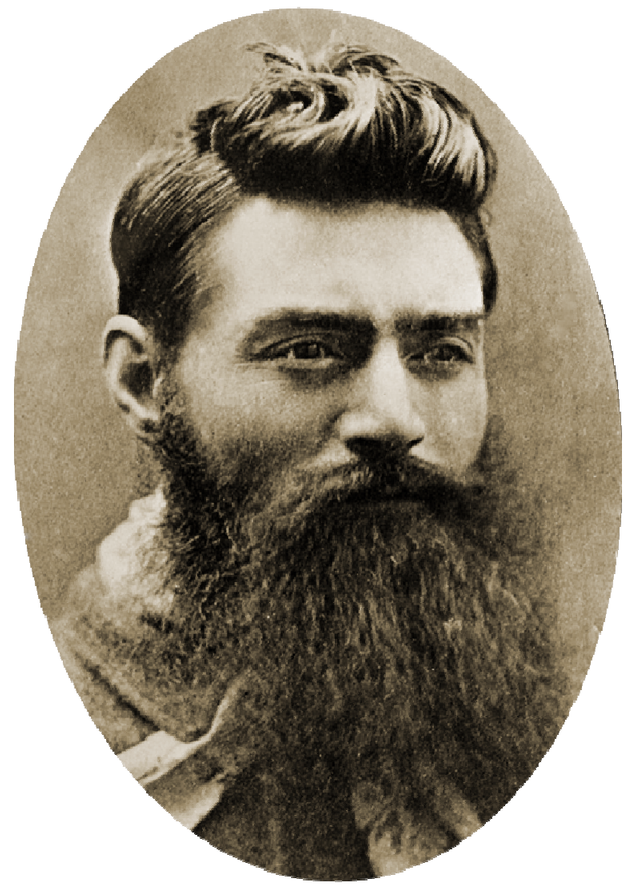
As a result, Joseph Mayes found himself caught up in one of the most notorious police hunts in Australian history. Ned and his gang began robbing banks, and the police began arresting all known friends and sympathizers of the Kelly gang. This only resulted in more support for the outlaws. The police received information as to the whereabouts of the gang from Aaron Sherritt, who was a former friend of Joe Byrne. Once the outlaws became aware of his treachery, Dan Kelly and Joe Byrne paid Sherritt a visit and killed him. On 27 June 1880, the Kelly gang arrived in Glenrowan where they took about seventy hostages. Aware that a detachment of police were on the way by train, the gang equipped themselves with body armour. Ned made the fatal mistake of releasing one of the hostages, who went directly to the police and told them where they would find Kelly. The police arrived and during the ensuing gunfight, Joe Byrne was killed. Dan Kelly and Steve Harte committed suicide. Ned then faced the police alone in his suit of armour. They shot him in the legs; as a result he was captured, brought to trial and hanged on 11 November 1880 at Melbourne Jail.
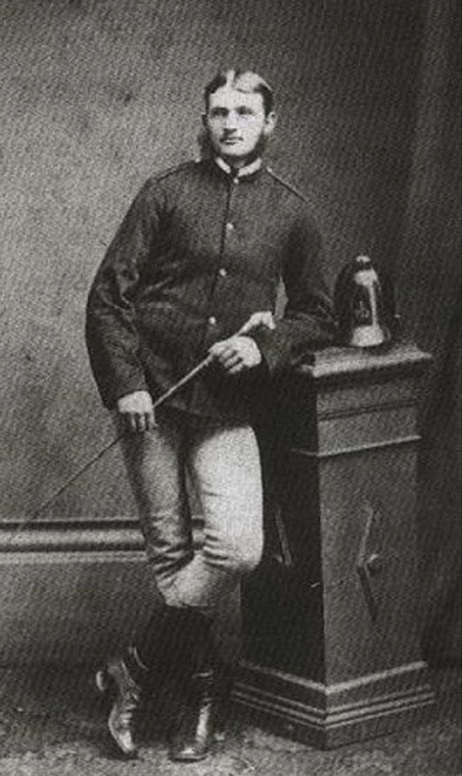
Mayes was caught up in the affair and felt that Fitzpatrick was not just trouble but he was also insubordinate. Mayes could no longer tolerate Fitzpatrick and had him dismissed. During a later inquiry, Fitzpatrick was called on to give evidence and stated that he had been accused of ‘single handily’ creating the Kelly gang. Speaking of Fitzpatrick, Mayes later said: “I found him such a worthless character that the men who recommended him and gave him a character to join the police force, I consider committed a grave offence against the public”. Mayes was also critical of the police training process and didn’t think that candidates were assessed properly before being admitted to the force. He went on to recommend what he believed should be appropriate training for recruits. He said they should be properly drilled before being allowed out of the yard. They should be experienced in the use of a revolver and rifle. They should also be taught to ride and fire from horseback. He also said that they should not be sent out until they were thoroughly disciplined and fully understood police duties. He was very critical when it came to the culture of fear that existed in the force. Application and training processes were strengthened and rates of pay were examined and the force appears to have been over hauled extensively. There was a purge of senior figures in the force following the report; some being forced into retirement. Mayes remained untouched and he continued in the role in the mounted police. He retired in December of 1895 on a full pension allowing him to live a comfortably for the remainder of his life. Joseph Mayes died on 11 July 1902 and was buried in South Brighton Cemetery.
(Sincere thanks to Deirdre Goggin for much of the information in this article).