On 4 May 1789, King Louis XVI of France held a meeting with the state-general regarding the situation developing in his country. This meeting really paved the way to the French Revolution, as it resulted in the revolt of Paris and the storming of the Bastille on the 14th of July of that year. Executions by guillotine followed and title or money could not save those who were sentenced to death. The king attempted to flee the country and enlist support from the Austria, but failed. On 21 January 1793, stripped of all his titles and honours, Louis XVI mounted the scaffold. He appeared dignified and resigned to his fate. He delivered a short address, but before he could finish, the general of the National Guard ordered a drum roll and the king was then quickly beheaded.
There was fear among the revolutionaries about interference from Britain and other countries and within days of the execution the French Revolutionary Government declared war on Great Britain and Holland. The British army at the time consisted of just 44,000 troops of all ranks, so an urgent need to defend the Empire saw a huge recruiting campaign begin. This campaign included Ireland where it was decided to raise a new regiment in the west of the country. Thus, on the 25th of September 1793, the 88th Connaught Rangers were formed by Colonel John Thomas de Burgh (Galway – Earl of Clanrickarde). The 88th and later the 94th subsequently became the First and Second Battalions of the Rangers under the Cardwell Reforms. The regiment became renowned for fearlessness, ferocity and courage in battle, which earned them the nickname ‘The Devil’s Own’. There was unruliness among them from the beginning and shortly after their formation, a renowned Irish General described them as, ‘The greatest pack of blackguards in the British Army’.
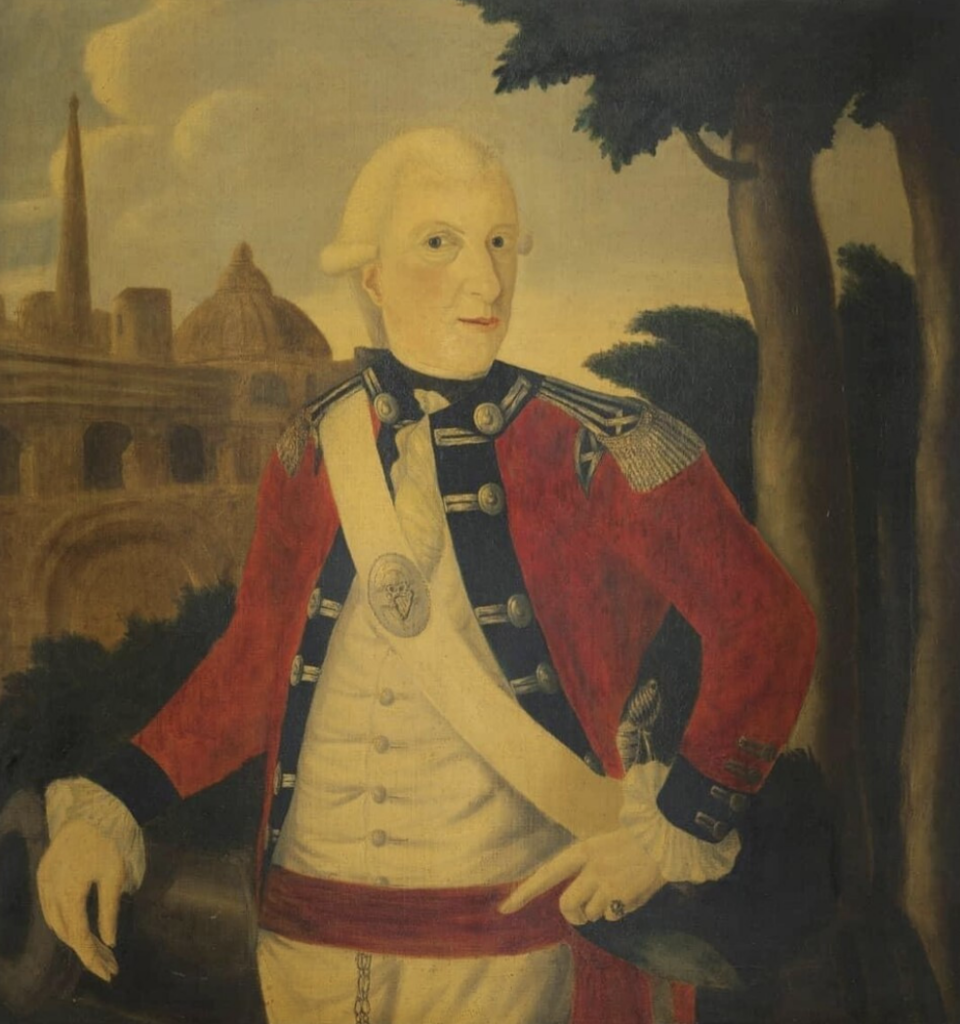
Although many of them came from a rural background, most were recruited in towns such as Galway, Ballinasloe, Ballina, Ballymote, Mohill, Boyle and Athlone. A large percentage of the officers were members of the Anglo-Irish gentry. Many of the enlisted men and, indeed, officers had served with the Galway Militia which had been disbanded. The Connacht Ranger uniforms were red with yellow facings and their emblem was a harp, topped with a crown. The motto was Quis Separabit – Who shall separate us.
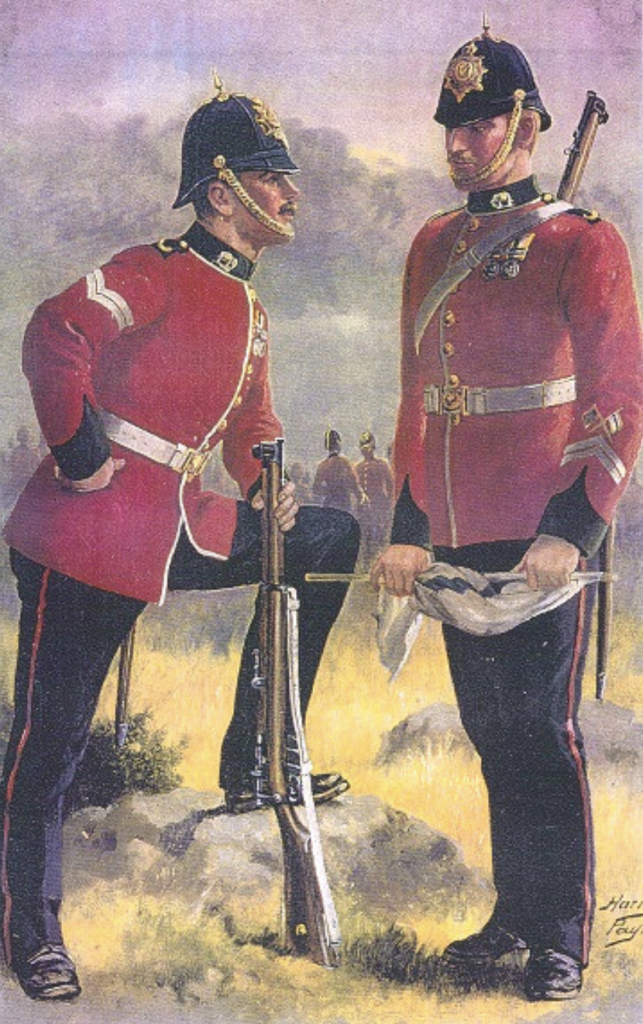
They first saw action in 1794 during the disastrous Walcheren Flanders campaign against Napoleon’s troops. Despite their inexperience, the troops fought well, but hundreds perished in the forced winter retreat. Many of them were left for dead in the bloody fields of Alost where ferocious fighting had taken place. The regiment suffered dreadfully during the terrible winter of that year many of those who survived the ‘grape and round’ shot were frozen to death in their trenches. The following spring, they were ordered to return to England where they were joined by new recruits from Ireland. The regiment was then drafted into Sir Ralph Abercrombie’s equally disastrous expedition to the West Indies. After leaving Portsmouth in December 1795, the troopships ran into severe gales. The vessel carrying the Connaught Rangers was blown right through the Straits of Gibraltar and into the Mediterranean, where the ship was destroyed with only a few men surviving.
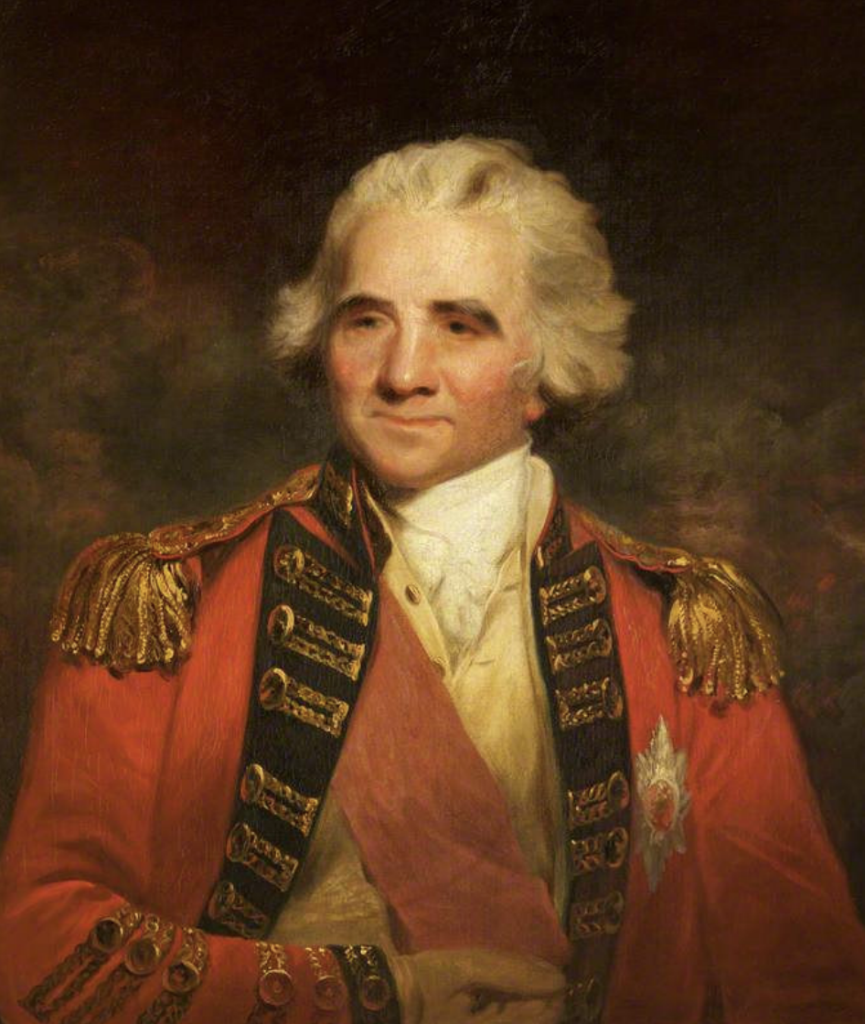
By 1808, France had achieved domination over much of Europe. Napoleon’s victories at Ulm (1805), Austerlitz (1805), Jena-Auerstädt (1806), and Friedland (1807), had eliminated Austria, Prussia and Russia as strong military opponents. The British only withstood the power of France because of the English Channel and through Nelson’s victory at the battle of Trafalgar in 1805. Even with this success, they were not strong enough to fight a land war against the French. Nevertheless, they kept a watchful eye on events on the continent waiting for the right moment to strike.
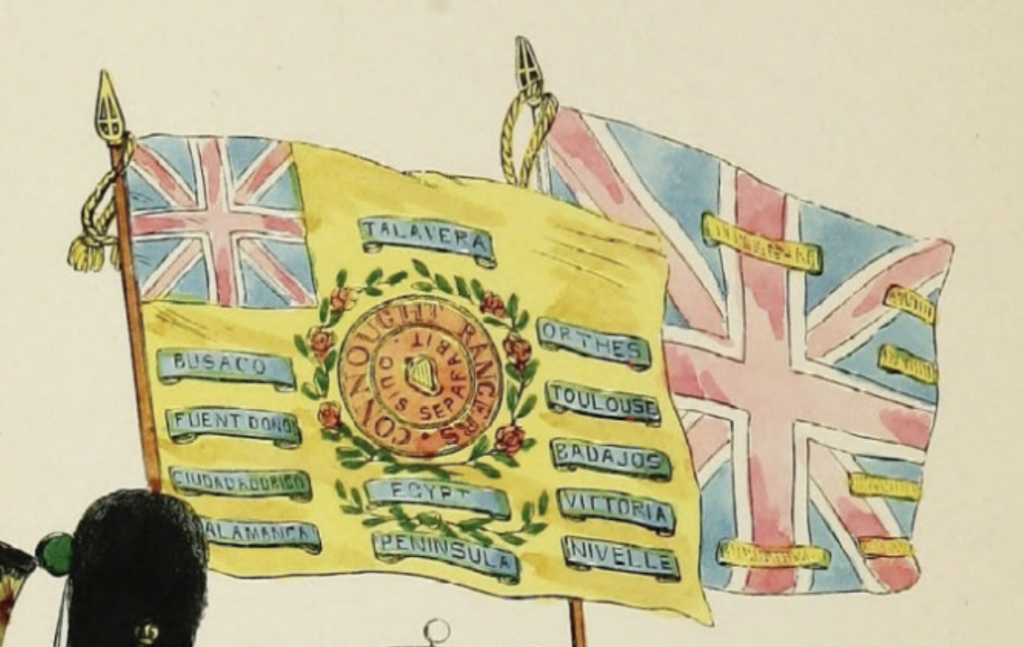
The path to the next phase of the war was paved in the autumn of 1807 when Napoleon began moving his troops through Spain on the pretext of invading Portugal. After sending over 100,000 troops into Spain, he deposed the Spanish monarch and placed his brother, Joseph on the throne. In doing so, he created a new enemy; the Spanish were enraged at this move and an uprising followed. The British now had an ally in Spain and took every advantage of the situation. Encouraged by the revolt in Spain, the British sent an expeditionary force to the Iberian Peninsula. The British were commanded by Lieutenant-General Sir Arthur Wellesley. The troops landed in Portugal, and among them were the Connaught Rangers. This conflict became known as the Peninsula War, and it played a major role in Napoleon’s eventual downfall.
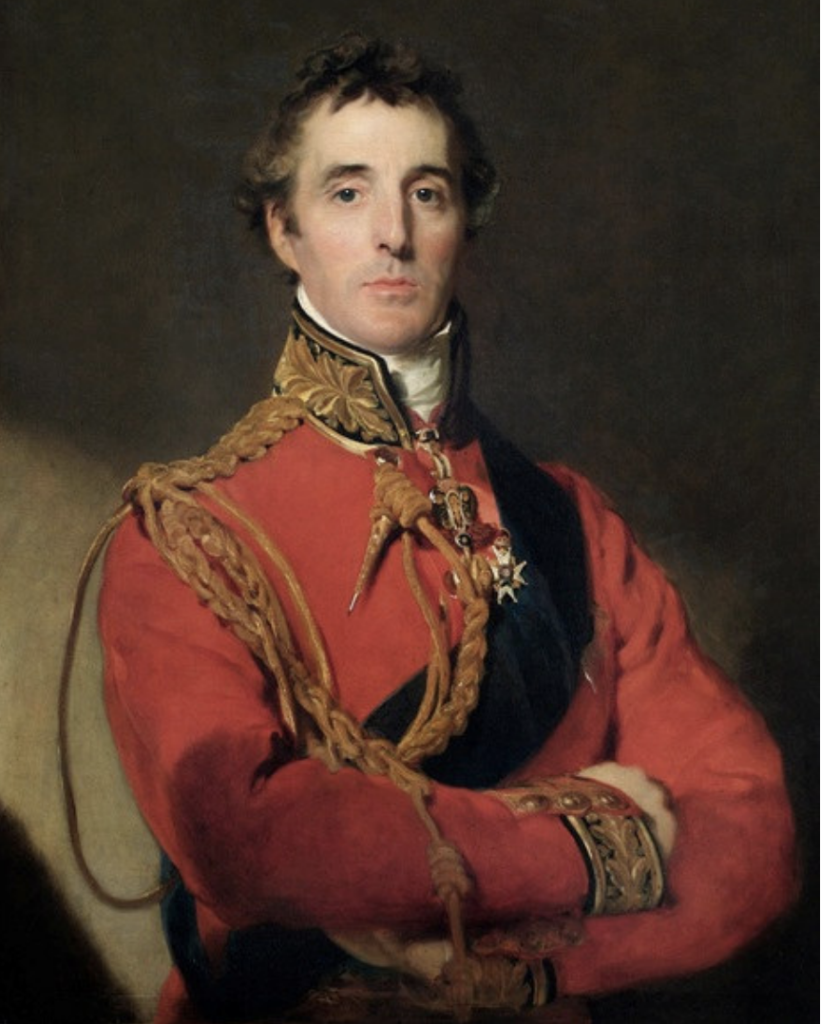
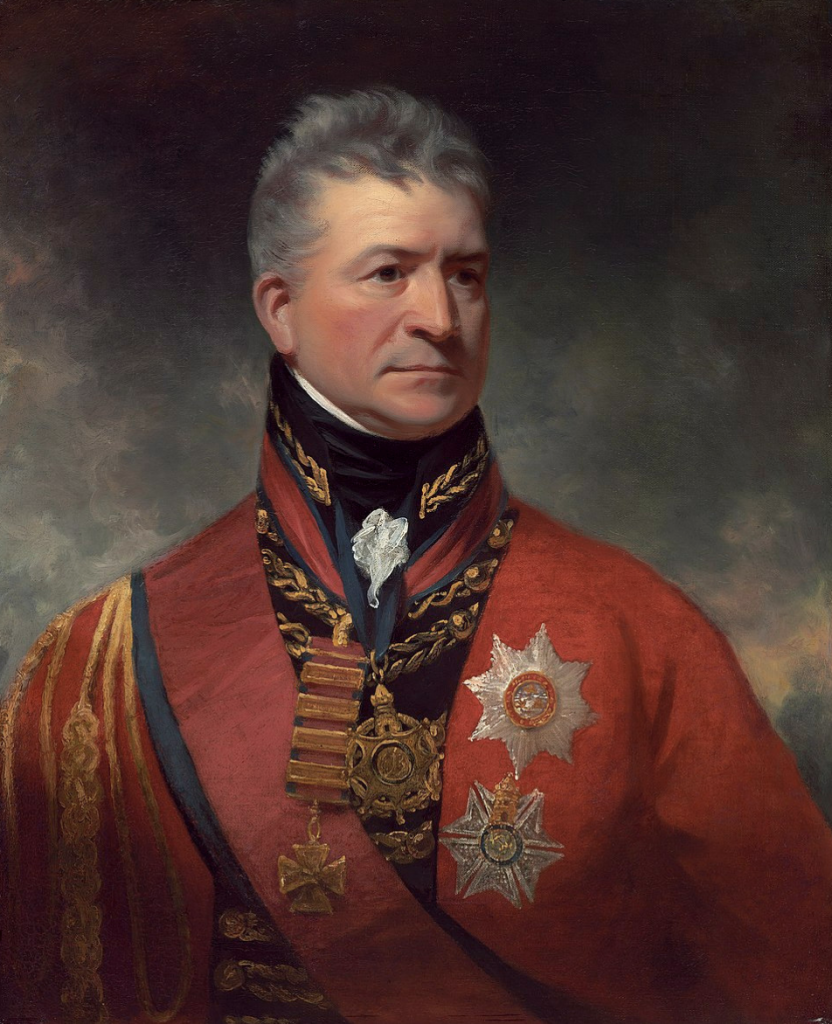
One of their commanders during this war was the famous, General Sir Thomas Picton (later killed at Waterloo). The Rangers formed one of his foremost battalions known as the ‘Fighting Third’. Through some oversight on the part of Wellington, the Rangers were overlooked for one particular action. This enraged Picton and the final insult came when a Wellington aide-de-camp galloped up to him and inquired as to the whereabouts of the commander of another regiment. The officer told Picton that he had orders from Wellington that his colleague was to attack and secure a strongly held bridge. This drove Picton into a frenzy, and he clouted his horse about the head and rose in his stirrups shouting, ‘You can go back and tell Lord Wellington from me, Sir, that the 3rd Division (Connaught Rangers) under my command, shall in ten minutes, attack and carry that bridge, and the 4th and 6th can support us if they wish’. He then turned to the Rangers and spoke to them for some minutes after which they attacked the objective with such ferocity and determination that they sent the French into a full retreat. This sight set the entire British lines alight with cheers of glory. According to one source, Wellington showed the highest confidence in the Rangers during the Peninsular War, when he remarked, ‘I do not know what effect they will have on the enemy, but they certainly frighten me!’ However, this has been attributed to another regiment as well.