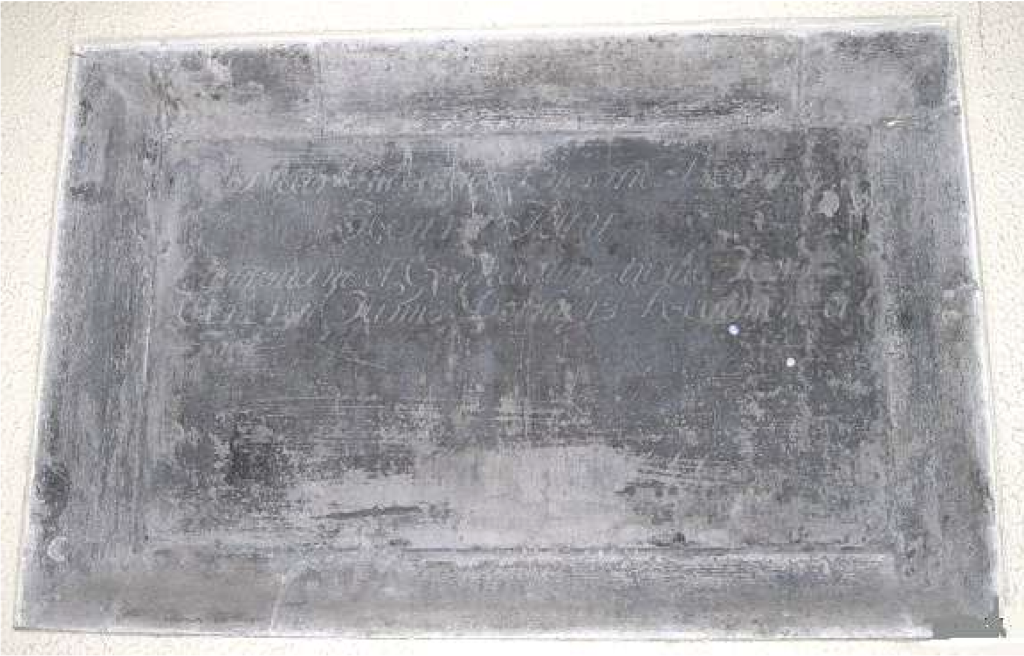
In St. Nicholas’ Collegiate Church there is an old limestone tablet set in one of the walls dedicated to the memory of Lieutenant Henry Jolly. It is now very difficult to read, but it contains the following inscription:
Near this place Lyes the body of Henry Jolly
Lieutenant of Grenadiers in the Honble.
General James Dormer’s Regiment of Foot.
With the dead there is peace.
The death of Lieutenant Henry Jolly almost brought Galway to the verge of civil war. It came just as the city was clearing away the ashes of the Cromwellian destruction; and the aftermath of the Williamite wars. It was a time when the degrading and brutal Penal Laws brought much resentment towards the military authorities. The city was under the Governorship of Stratford Eyre, who had a total distrust of the Catholic population. He believed that they might be even planning a rebellion. Because of this he requested additional troops to be stationed in the city. The 6th Infantry ‘Dormer’ Regiment was sent to Galway (known today as the Royal Warwickshire Regiment).
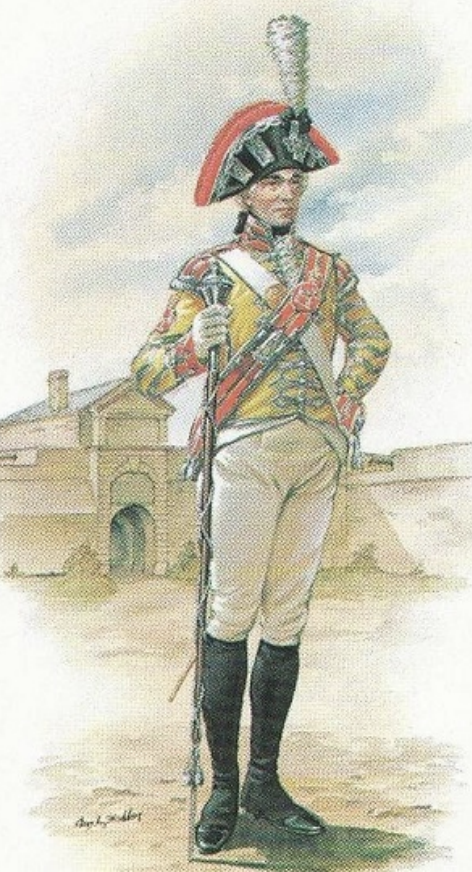
The regiment was raised in Holland by William of Orange and had fought at the Battle of Aughrim and the siege of Galway under General Ginkill. They had forced the surrender of the city in July 1691. Their return to the city was not welcomed by the citizens. Support for Jacobites was high among the common people. To make matters worse, the regiment acted more or less as conquerors rather than try to integrate with the people. This of course created an anti-British climate in the city.
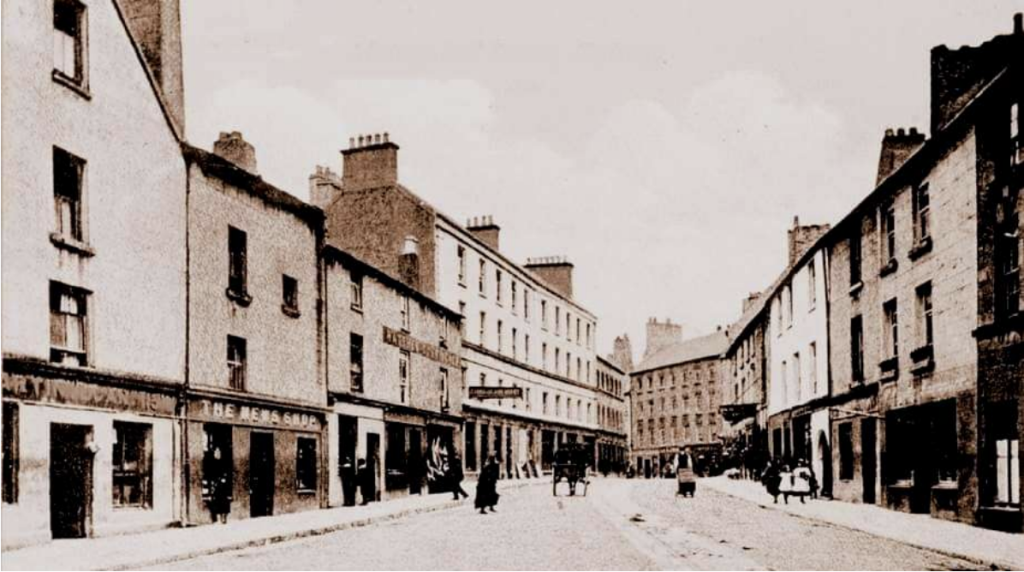
One cold winter’s day in 1835 the officers of the regiment were playing billiards in a club in Mainguard Street. Some of them were lounging by the window overlooking the street. They were watching the people passing below, when they noticed an unusual looking man dressed in the French style of the day. He was very flamboyant wearing a richly decorated hat with ribbons and carried an equally elaborately walking stick. The man walked through the streets with an air of pride as if he were a lord of the land. This annoyed the officers, and they began calling him ‘Macaroni’, a seemingly insulting name that was given to young men who dressed in Continental style in London. They had chosen to ridicule the wrong man; he was Robert Martin of Dangan, and grandson of the famous ‘Nimble Dick Martin’ who had fought against this regiment at Aughrim. Robert Martin was educated in France and loved the French dress style. He was also friends with the Royal Scottish House of Stuart and was a committed Jacobite. In fact, after returning to Galway, Martin became a leader of those who wished to rid themselves of English authority. Martin was also feared because he was a noted duelist; probably the finest swordsman in the three ‘Kingdoms’ of Ireland, England and Scotland.
Robert Martin was not a man to turn away from a challenge and was not perturbed by opposition numbers. Thus, he called on the officers to come down and face him. This only led to more tension and abuse, and one of them showing utter contempt for Martin, spat down at him striking his hat. This was the ultimate insult for Martin; he drew his sword and rushed up the stairs of the building, burst into the billiard room and demanded the name of the offender.
One of the officers, Captain Edward Southwell, admitted that he had spat at Martin and apologised. Martin refused to accept the apology and demanded satisfaction, but as Southwell and the other officers were unarmed, they could not take up the challenge. Southwell offered to return to the barracks and retrieve his sword. However, just as he was about to leave, another officer, Lieutenant Henry Jolly, who had been playing billiards became involved in the dispute. The unfortunate man attacked Martin with his billiard-cue and tried to use a chair as a shield. Martin evaded the attack and ran his sword through Jolly’s heart, and he fell to the floor and died almost immediately. The other officers were shocked to see how fast Jolly had been killed. Martin turned his sword menacingly towards them and then left the building. He when directly to the civil authorities and informed them of the ‘lawful’ killing. Martin was arrested on a charge of murder and committed to the local jail to await trial. The officers said that it was an ‘unprovoked murderous’ attack on Lieutenant Jolly and gained the sympathy of the military, political authorities, and Protestant population. However, the oppressed Catholic population was delighted at Robert Martin’s action and made no secret of their support for the man.
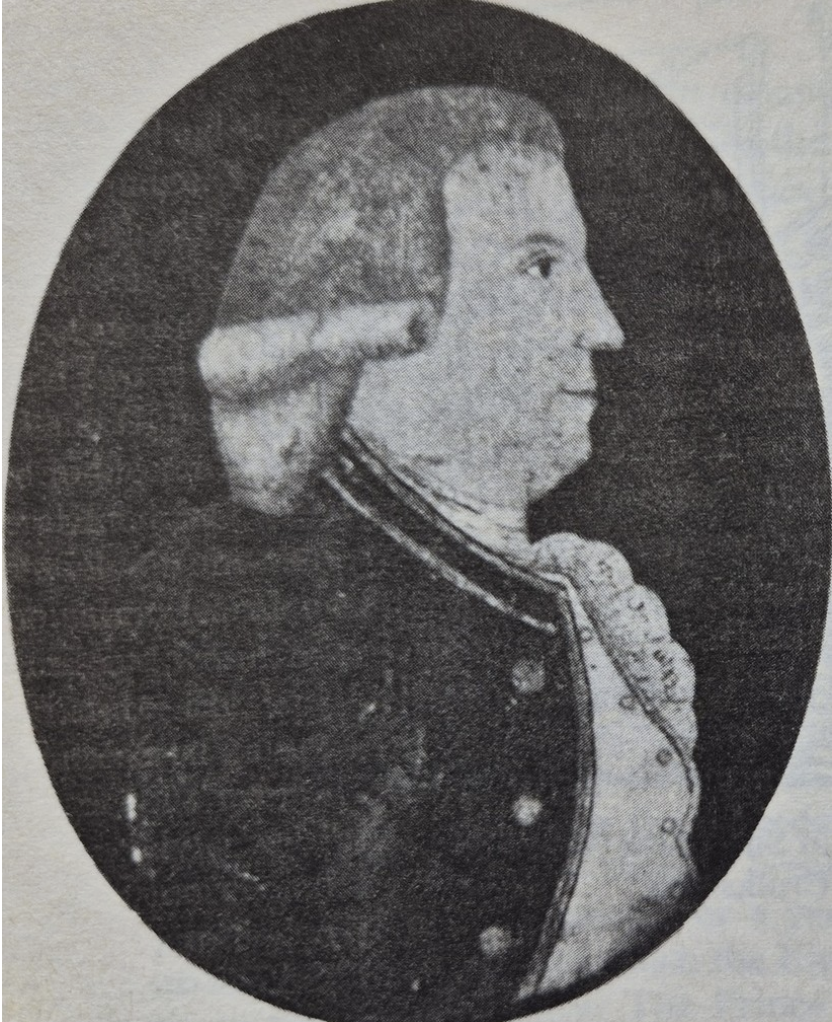
While the case seems clear for the military, a note from Stratford Eyre on Martin was a cause for concern. He warned the authorities that this man could bring hundreds of ‘wild Irish clansmen’ to the gates of Galway within an hour. He said that the people were fanatical in their support of Martin. Because of this fear, the authorities and Jolly’s family felt that the best way to ensure a conviction was to send Martin to Dublin for trial. To ensure that justice was done, and seen to be done, Martin was tried before all the judges of the Court of Kings Bench. The jury was chosen in Galway and then brought to Dublin for the trial. The evidence against Martin was overwhelming and the outcome of the trial seemed likely to be a guilty verdict. However, under cross-examination of the witnesses the outcome began to turn in favour of Martin. One of the officers admitted that they had insulted Martin. He also informed the court that Lieutenant Jolly had attacked the prisoner and said that Martin was in grave danger. The trial concluded with the jury acquitting Martin, much to the delight of the hundreds of supporters who had gathered outside the Dublin courthouse. He arrived back in Galway to cheering crowds and was enthusiastically greeted by his followers. Bonfires were lit throughout the town, and not a loyalist was to be seen while the celebrations were going on. A later report indicated that it was Lieutenant Jolly who had inadvertently spat out the window and hit Martin by accident, but this was never proven.
There had always been a fear of an invasion in Galway, either by the French or Spanish, depending on the political climate. Stratford Eyre was extremely fearful of this possibility; therefore it comes as no surprise that there was a strong military presence in the city. He also felt his duty was to keep ‘papists’ down. Because of this there was continued hostility between Stratford Eyre and Robert Martin. In 1747, Eyre had weapons seized from one of Martin’s servants while he was crossing the Great West Bridge (O’Brien’s Bridge). Martin took legal action against the Governor and won the case, but in the meanwhile Eyre had left for London. To ‘celebrate his victory’, Martin followed him to London. Martin again proved how dangerous he was when he attacked Eyre in a public street and severely wounded him.
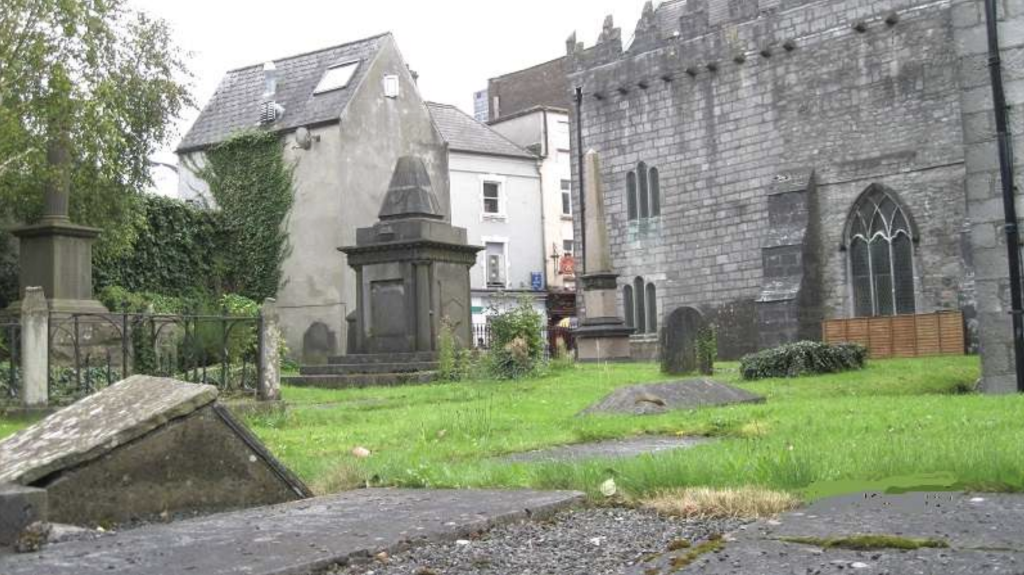
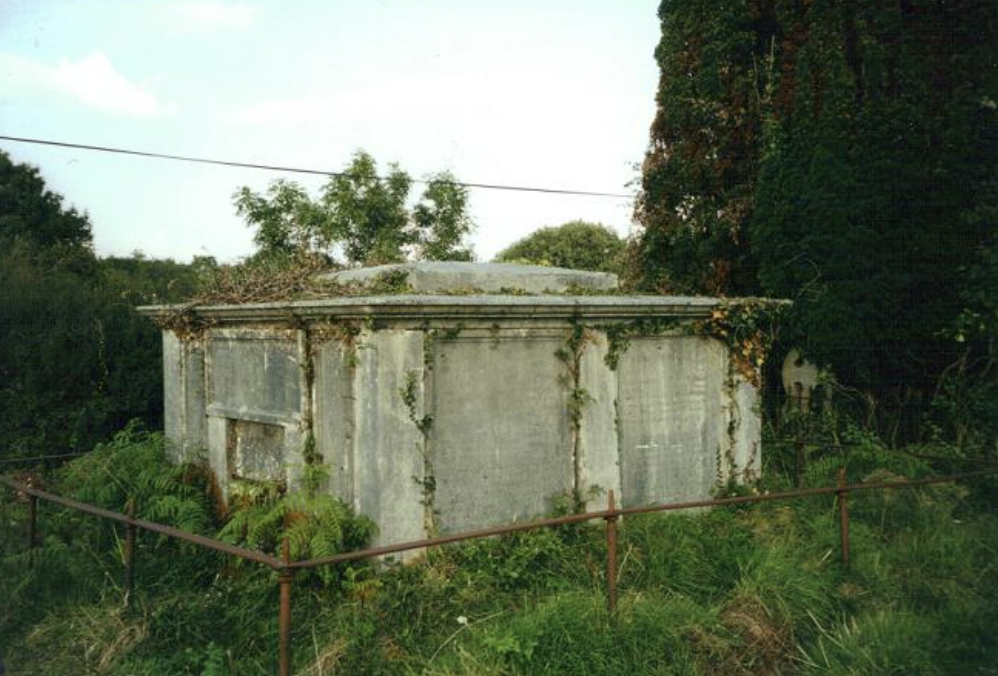
Regarding the death of Lieutenant Henry Jolly and the trial of Robert Martin, many years later a letter relating to the case was discovered in the Public Records. The letter stated that the British Government had given direction to the court, that in the event of Robert Martin being found guilty, he was to be acquitted. The reason for this interference was because the Government were fearful of a Jacobite revolt in Scotland, which might spill over into Ireland if Martin was found guilty and executed. This was something that the British wished to avoid at all costs. The question now remains, why did the officer change his testimony? And so Lieutenant Henry Jolly now sleeps in the graveyard of St. Nicholas’ Church, while his slayer sleeps in the family burial place in the old Killanin cemetery, some fourteen miles away. (Incidentally, Robert Martin was the father of Sir Richard Martin, the famous duelist and animal rights activist).