The Great Irish Famine (an Gorta Mór) that devastated Ireland between 1845-50 was one of the most tragic events in Irish history. In its aftermath it left perhaps a million people dead although the true figure will never be known. At least anothe million fled to other countries in the hope of a better life.
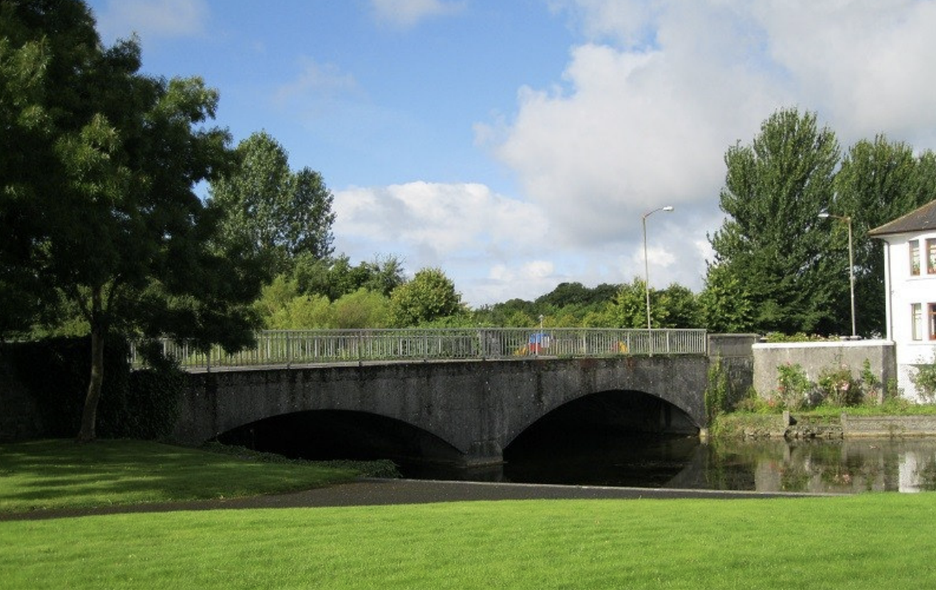
Outbreaks of famine were not uncommon in Ireland. Over the previous century the potato crops had failed on a number of occasions. On the last day of 1739, Ireland awoke to find itself in the grip of arctic conditions. During the extremely cold winter the River Corrib was frozen from O’Brien’s Bridge to the mouth of Lough Corrib. The severe winter was followed by famine and disease in which many of the poor perished. During the summer people attacked and seized consignments of ship-biscuits that were being loaded on to ships at the Galway quay. The situation was so horrific that one report stated, ‘The dead have been eaten in the fields by dogs for want of people to bury them’. Food shortages were again reported in 1816 and 1817.
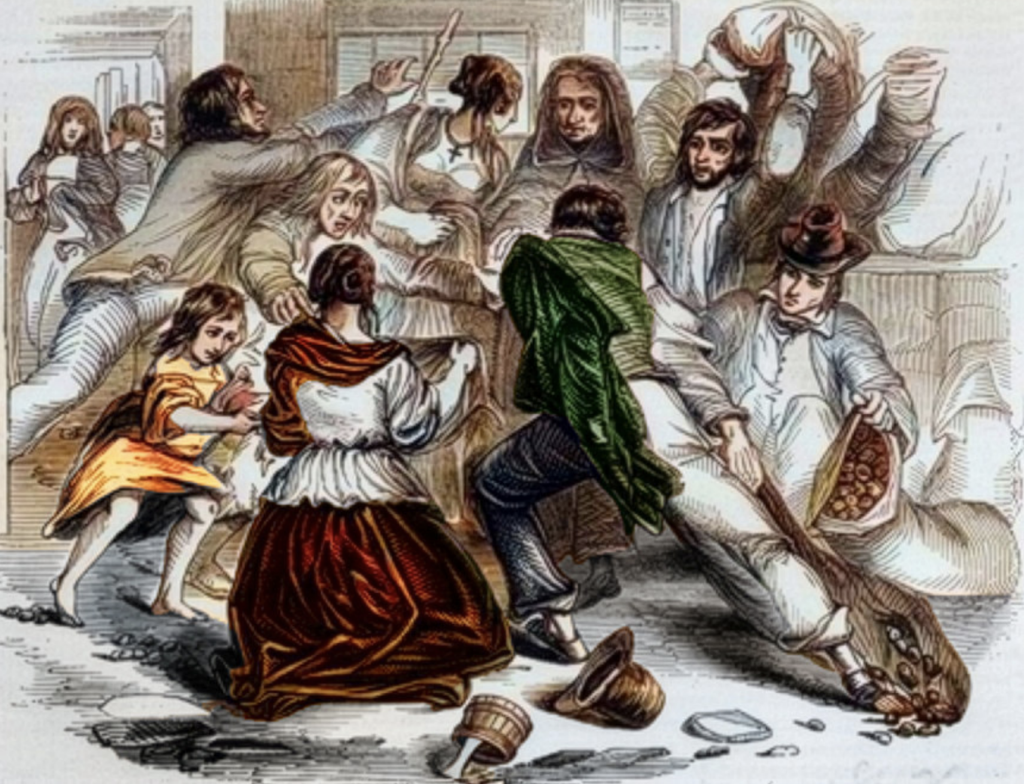
In 1822, the town was suffering severely from the effects of high unemployment and poverty and the failure of the potato crop that year caused another famine. Hordes of people flocked into the town in search of food, but the authorities’ already had problems feeding their own population. During the summer, fever was widespread, and grants were made available to combat the epidemic and by November the scourge seems to have passed. Other food shortages occurred in 1831 and 1842; the latter year resulted in food riots in the city where potato stores were attacked.
Henry Stratford Persse (Persse Distillery) was shocked and angry over the sights he witnessed daily in the streets. He said that people were dying like ‘rotten sheep’ while corn was being exported from Galway port. Persse believed that the vast majority of Irish-speaking Catholics were essentially a population of ‘distressed and heartbroken white slaves’ who were wilfully and shamefully neglected by the government. Described as a liberal thinking man, he would not subscribe to the views of many of his peers or indeed some of his own family when it came to the subject of Irish Catholics. He felt that most of the problems facing the country were because of mismanagement on the part of the government rather than issues caused by the people. In fact, he wrote to the British Government warning them of a major catastrophe facing the Irish people if something wasn’t done to prevent famine.
Persse was correct, worse was to come. In June 1845, frightening reports began arriving that a new blight, Phytophthora infestans had been noticed in Belgium. It was not known for certain where the blight had originated, but there was a suspicion that it had come from South America in fertilizer consignments. The catastrophe that was ‘now’ sweeping across Ireland could not be compared to anything the country had ever witnessed before.
One must look back to dreaded Penal Laws of 1695 to identify reasons that led to so much suffering during the famine. These unjust laws deprived Catholics of many civil rights including education, religious freedom and ownership of land. This paved the way for the rise of the Ascendancy class, who had almost limitless power over their tenants. Many were absentee landlords and had little interest in their property except to extract as much profit from tenants as possible. The saving grace for the Irish was the potato; it was cheap to produce and was in plentiful supply. The potato was easily-grown and was a good source of vitamins. The population of Ireland was about eight million. Because of the rigid land division and landlord policies, the vast majority of the population were forced to live on the fringes of starvation and destitution. The Devon Commission examined the Irish economic system in 1843 and reported that landlord policies’ was the main cause of the widespread poverty and lack of security among the people. One member stated that the people of Ireland were the ‘worst fed, worst clothed, but were the most patient people in Europe’ and so the stage was set for a major disaster in Ireland.
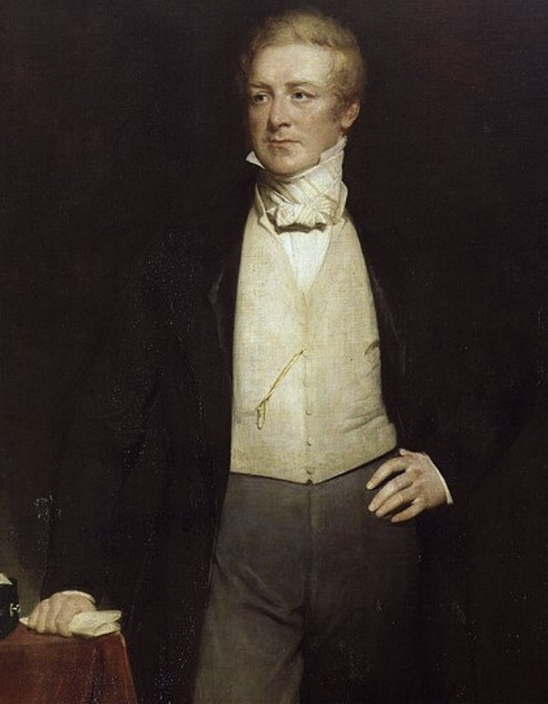
Charles Edward Trevelyan was the permanent head of the British Treasury and was partly responsible for the suffering. While some would argue that he worked hard on introducing famine relief schemes, he was against handing out free aid. These schemes provided employment on road construction and repair. However, his appalling attitude towards the Irish was simply diabolical; believing that the famine was a punishment by God on an ‘idle, ungrateful and rebellious country.’ Trevelyan is immortalised in the song, The Fields Of Athenry. By November 1846, with food prices on the increase, workers could not earn enough money to feed their families.

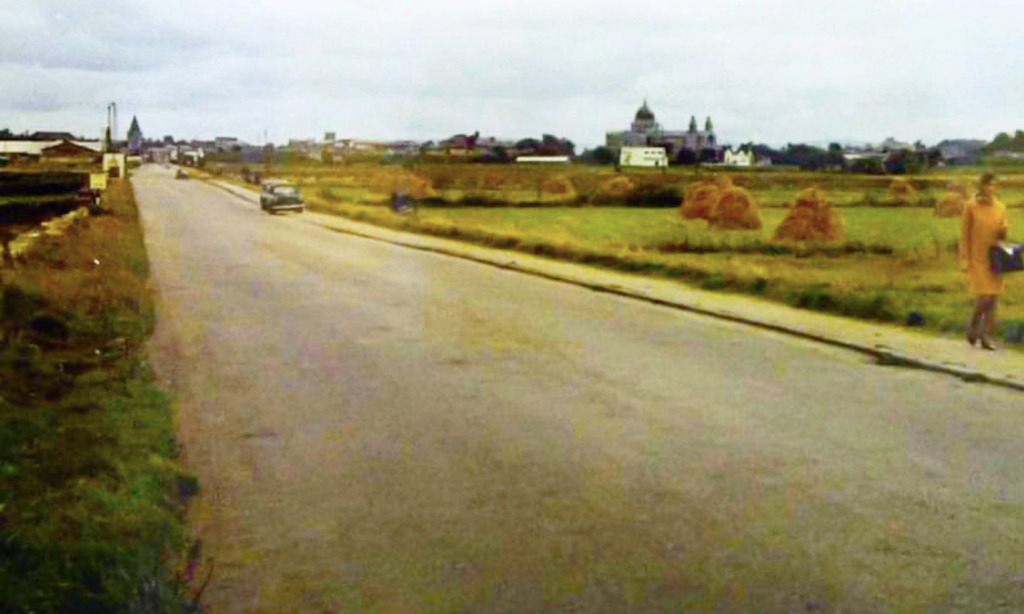
Public relief works in Galway included the construction of Threadneedle Road, (Bóthar na Mine) and the Dyke Road. People who could not secure work had to find other means of gaining a meal leading to an enormous increased population in Galway jail. Many destitute people sought refuge there by committing petty crime. There is little doubt that there was sufficient food in Ireland to feed the people; the scarcity was created by exporters. The British Government continued to allow the export of grain and livestock out of Ireland during the famine years. According to one report, the government spent some seven million pounds on famine relief – this was a mere five percent of its gross national profit for that period. The Government certainly failed to act sufficiently on the reports presented before them.