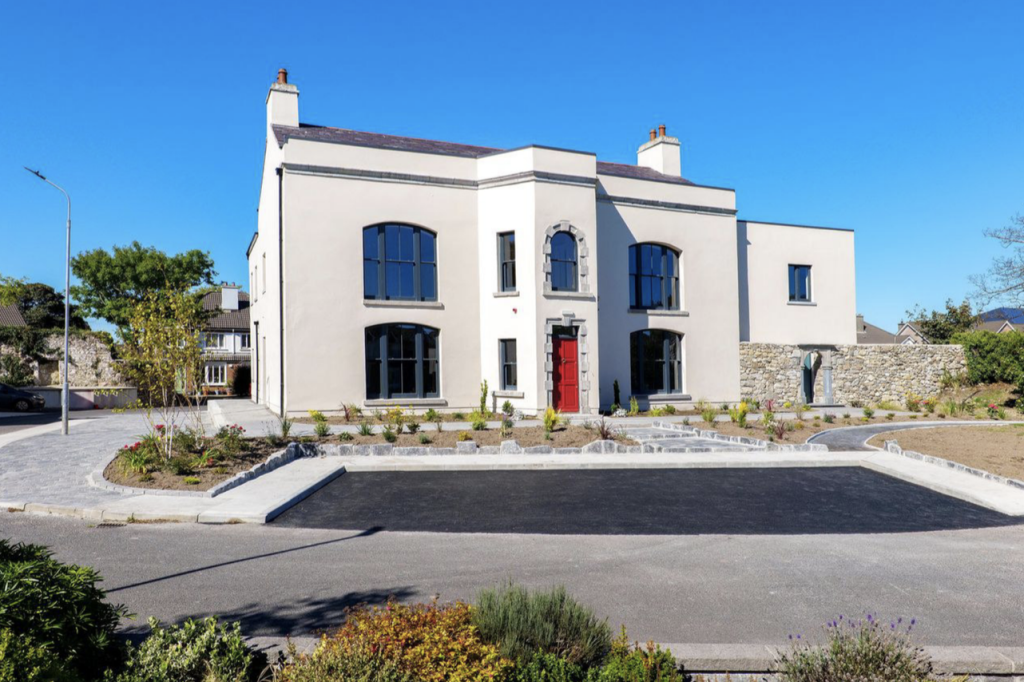
Rahoon House has now been tastefully restored after many years of neglect. The house is an important architectural and historical treasure in Galway. While the exact date of its construction is not known for certain, there are clues to its origins. It seems that the house, some suggest, was acquired by Colonel Whaley, a Cromwellian officer at the siege of Galway (1651-52). He later sold the house and surrounding land to Richard Joyce. Joyce had been captured by Moors some years earlier while on a journey to the West Indies. He was sold as a slave to a wealthy Algerian goldsmith. Joyce was put to work and under this man’s guidance became an excellent goldsmith himself. When William III (Orange) became King of England (1689-1702), he requested that all his subjects enslaved in Algeria be released. According to the story the goldsmith offered Joyce his daughter’s hand in marriage and half his wealth if he would stay. Joyce declined the offer and returned to Galway, where he established his own business as a goldsmith; giving Galway the famous Claddagh Ring (the design he acquired as a slave).
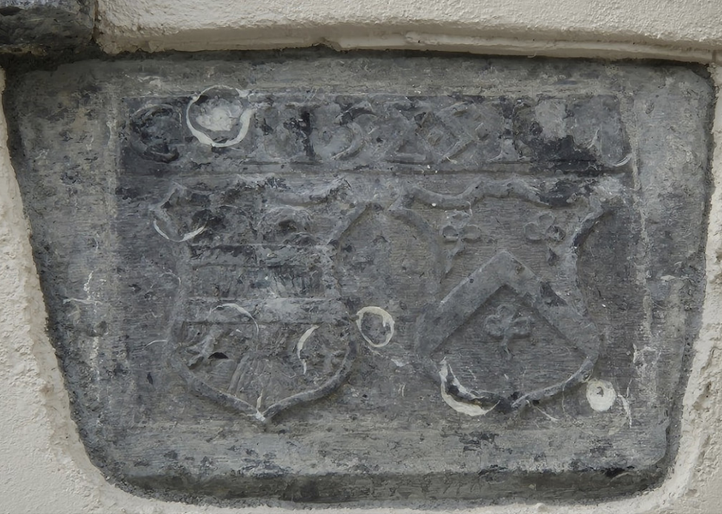
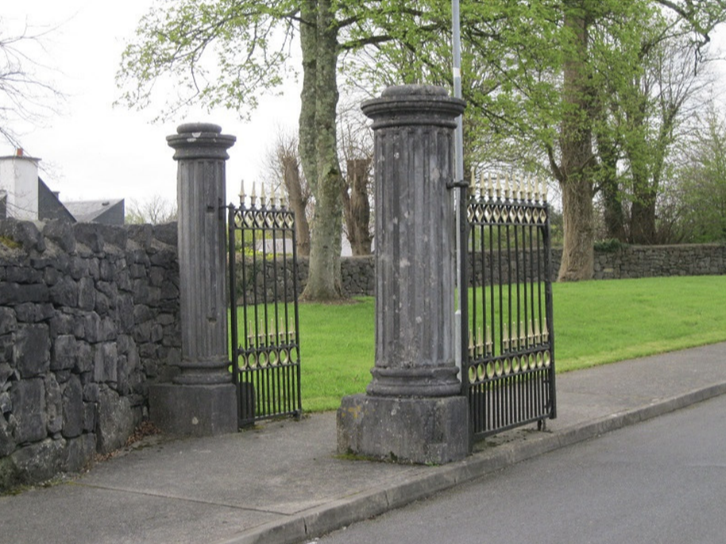
However, there is possibly an earlier connection with the Joyce family. The evidence for this is in the form of a Joyce and Lynch marriage stone dated 1685. This is located above the ground floor window on the right. This stone has been described as a trapezoidal keystone from a fireplace containing an armorial panel. There was a fragment of a mantel ledge from a fireplace dating from the same period recorded at the site some years ago. This important fragment has since disappeared. The marriage stone does not represent the actual date of the house, but was possibly connected to an earlier structure. The stone doorway in the surviving garden wall on the right of the house has been reconstructed. It was formally part of the seventeenth century garden entrance. The royal arms of Charles II adorned the wall at one stage, but this has subsequently disappeared.
Richard Joyce married and had three daughters. One of them married Andrew French and another became the wife of Martin Lynch. There was an earthen mound, topped with stones located nearby at one time. According to tradition it was erected in memory of Margaret Joyce, of Rahoon House who was killed after falling from her horse. It is believed that Margaret was the unmarried daughter. The monument disappeared some years ago when the land was being developed. Similar monuments were erected after such tragic accidents during the eighteenth century.
Joyce seems to have remained in the goldsmith business until the 1730s, by which time he would have been an elderly man. During his career, Joyce also produced many fine examples of ecclesiastical silver-chalices and patens. Some of these were held in the National Museum of Ireland and in various Religious Institutions; other valuable items found their way into private collections. Following his death, his grandson, Mark French, continued the business. French obviously acquired the property as in 1786, Rahoon House, was referred to the ‘Seat of Mr. French’. During the early nineteenth century it was under the ownership of the Bodkin family. Historian, James Hardiman, confirmed this in his History of Galway (1820), when he described Rahoon House as being the seat of James Bodkin and owner of much of the land at Shantalla.
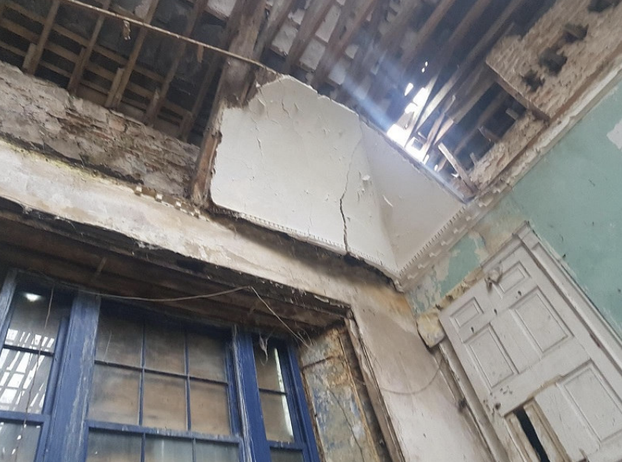
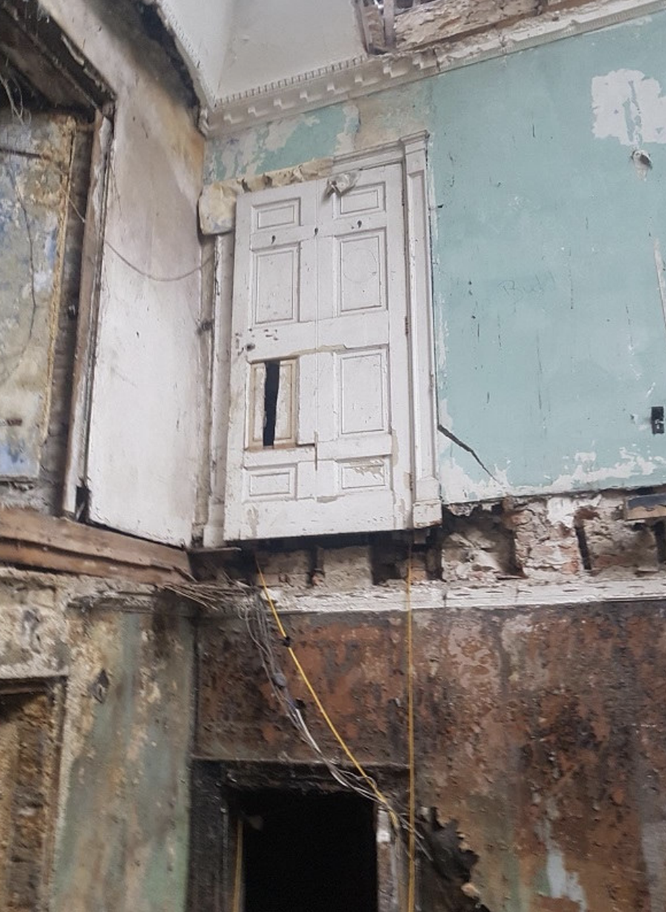
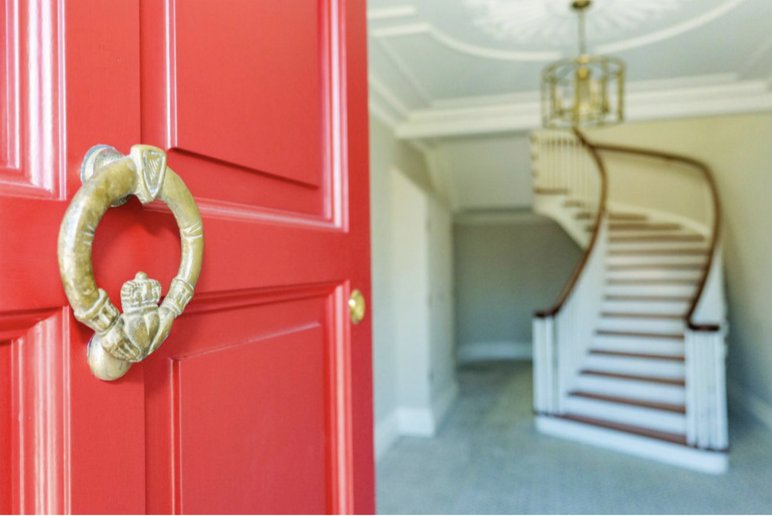
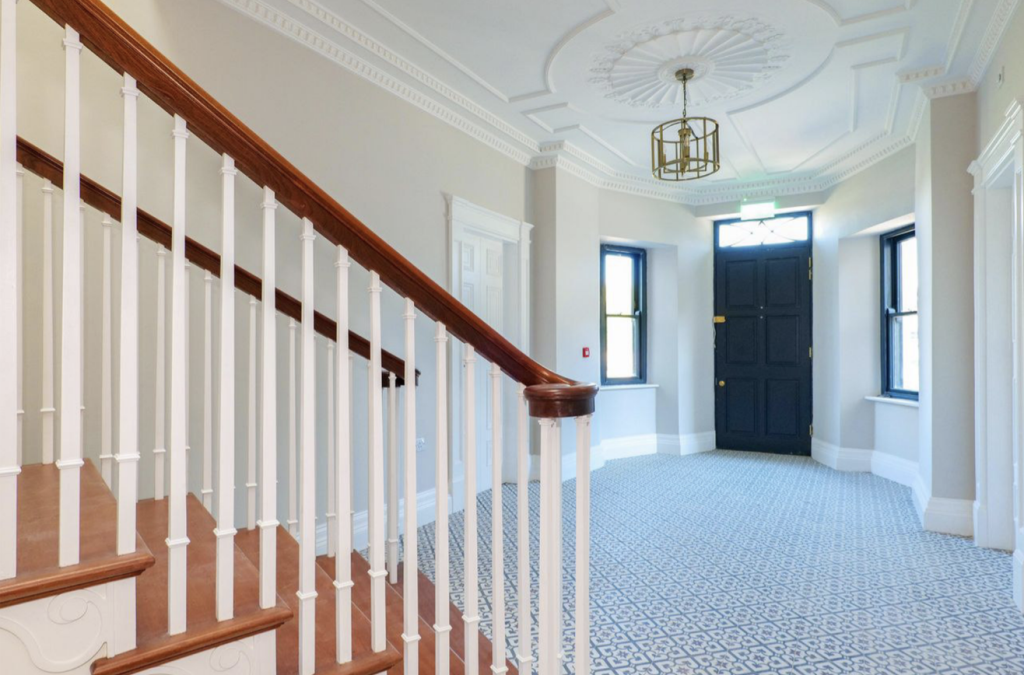
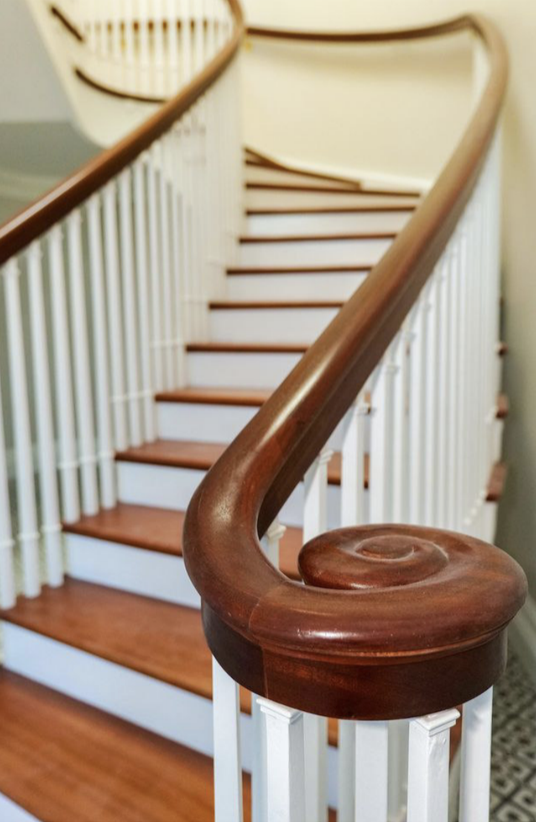
The house was mentioned in the first Ordnance Survey (1833-1842). It was occupied by Roderick O’Connor during the early 1830s. O’Connor put the house up for auction in January 1848. The house is recorded in Griffith’s Valuation (1847-1864) as being held in ‘fee’ by Thomas C. Dickson. He was a former British Major in the Bombay Army. He married Harriet Luisa Mitchell in May 1852 and they lived at the house. Reports indicate that the interior of the house was adorned with a beautiful carved timber staircase. Ornate plasterwork covered the ceilings, and it contained some very fine doorways and shuttered windows. The house also boasted of at least two fine Italian marble fireplaces. There was also a Gatehouse and a winding pathway leading to the house. Sections of the surrounding land were described as being well-wooded. The house is also located close to the old medieval cemetery of Rahoon. There is a tradition that Daniel O’Connell stayed there during some of his visits to Galway; in particular after speaking at his ‘Monster Meeting’ in Shantalla in June 1843. It has also been said that some leading nineteenth century literary figures found accommodation at the house. These seemingly include literary giant James Joyce and his wife Nora Barnacle, who visited Rahoon in 1912. The house was recorded as the property of Dr Kennedy O’Brien (Dispensary Medical Officer, Oughterard) in the early 1870s and remained his property until the 1930s. He leased the house continually. A newspaper account from 1898 describes the property which had been rented and renovated by the Guinness Company:
Rahoon House: The above beautifully-situated mansion, which has been taken by I.P. Warren, Esq., agent to Messrs Guinness & Co., in this city, has been lately renovated and put into a first-class state of repair by Mr Mark O’Flaherty, contractor and builder of Forster Street. This residence, which stands on one of the most beautiful spots in the suburbs of Galway, is now one of the most magnificent mansions to be found locally. The manner in which all the improvements have been carried out reflects the highest credit on Mr O’Flaherty, and is another instance of what Galway men are capable of performing where genius and skill are the essentials required.
Author’s Collection
O’Brien had leased the house and land to Peter Henry Joyce, Clerk of the Oughterard Union in 1911 for £15 annually. Joyce had three sons, Jack, George and Frederick. Legal action was taken against two of them because of a dispute with a local man who had acquired some of the land. In fact, they had a number of disputes with their neighbours and occasions shots were fired, one through the bedroom window where Joyce was sleeping. By 1830, Joyce was taking legal action against O’Brien in a bid to take full tenancy of the house. It seems that Joyce was claiming that he had spent some £500 on repairs across the eighteen rooms in the house, and, this he felt, entitled him to the property. Nevertheless, a number of court appearances ruled against him.
During the World War II ‘Emergency’ the house played an important role in the mock invasions of enemy troops. The Irish army occupied the house as their headquarters during training manoeuvres and successfully defended their position. The house was later purchased by the Thomas and Eileen Kelly. They were living there from the 1960s to the 1980s. In 1984, the above-mentioned Frederick Joyce returned to Galway and visited Rahoon House. He was now world-wide Chieftain of the Joyce family and was in Galway for the Quincentenary celebrations. This was the year that Galway celebrated 500 years as a mayoral city and there were large tribal gatherings throughout the year. He mentioned that had lived in Rahoon House as a child, but refrained from saying anything about the trouble.
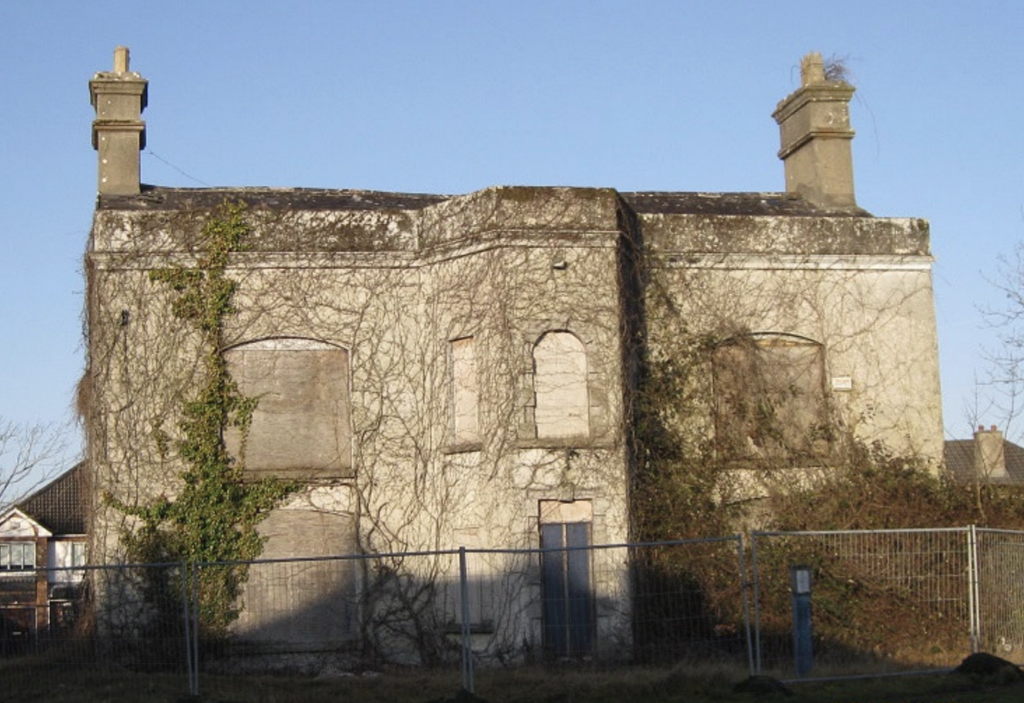
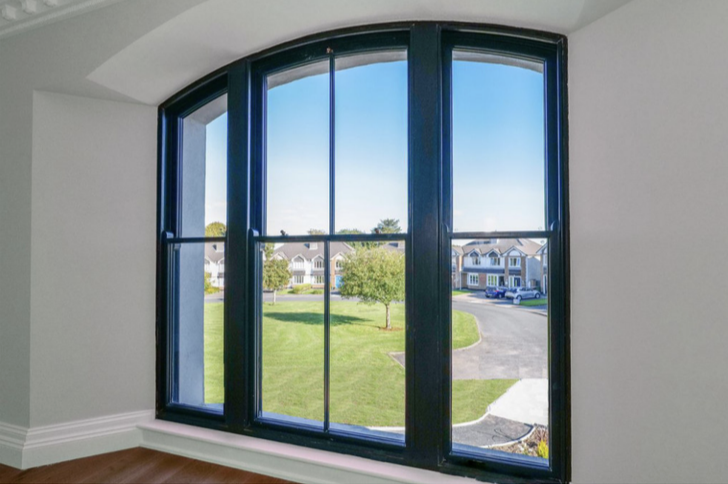
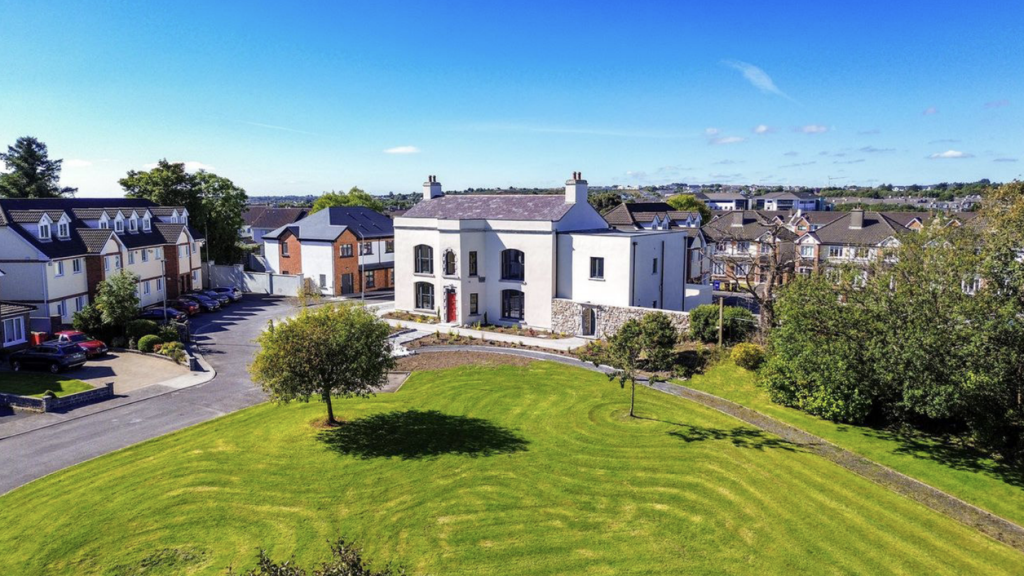
It was reported some years ago that the staircase, ornate ceilings, doors and windows were damaged and that the marble fireplaces had disappeared. According to a local newspaper report the house was purchased by developers in 1996, and it seems that there were plans to renovate the house, but these didn’t materialise. The house is now part of a modern setting being located in the Ros Geal housing estate. The original gateposts form part of the entrance to the estate, but the Gatehouse has long since disappeared. Nevertheless, Rahoon House survived and although in an almost ruined state, never lost its appeal. It was only waiting for people with foresight, vision and a love of heritage to arrive on the scene.
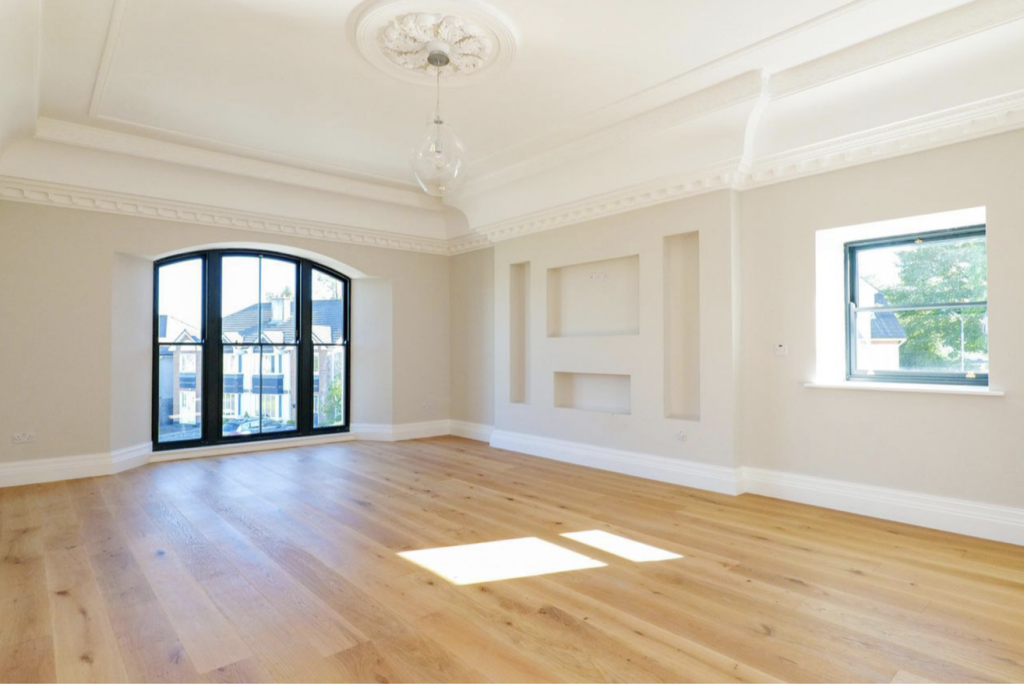
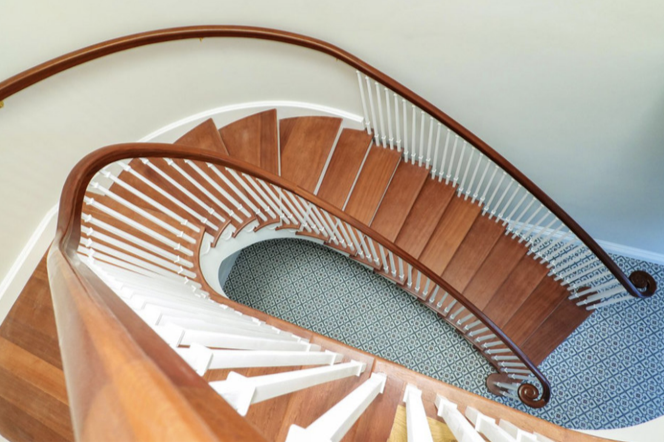
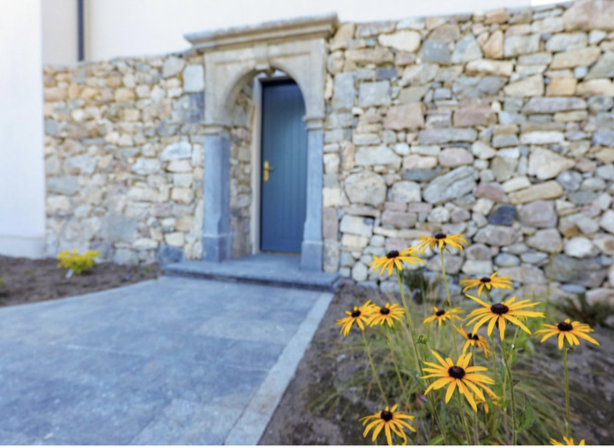
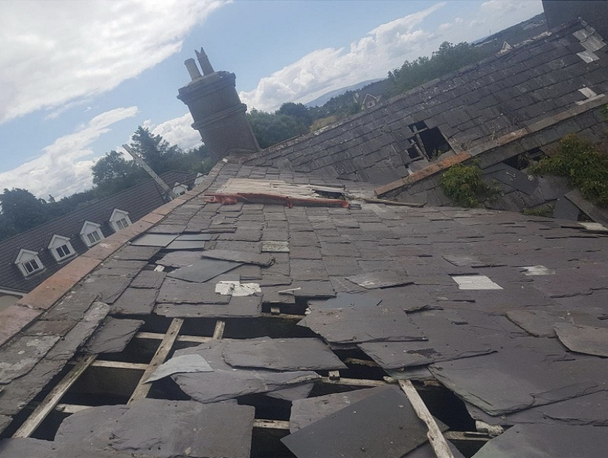
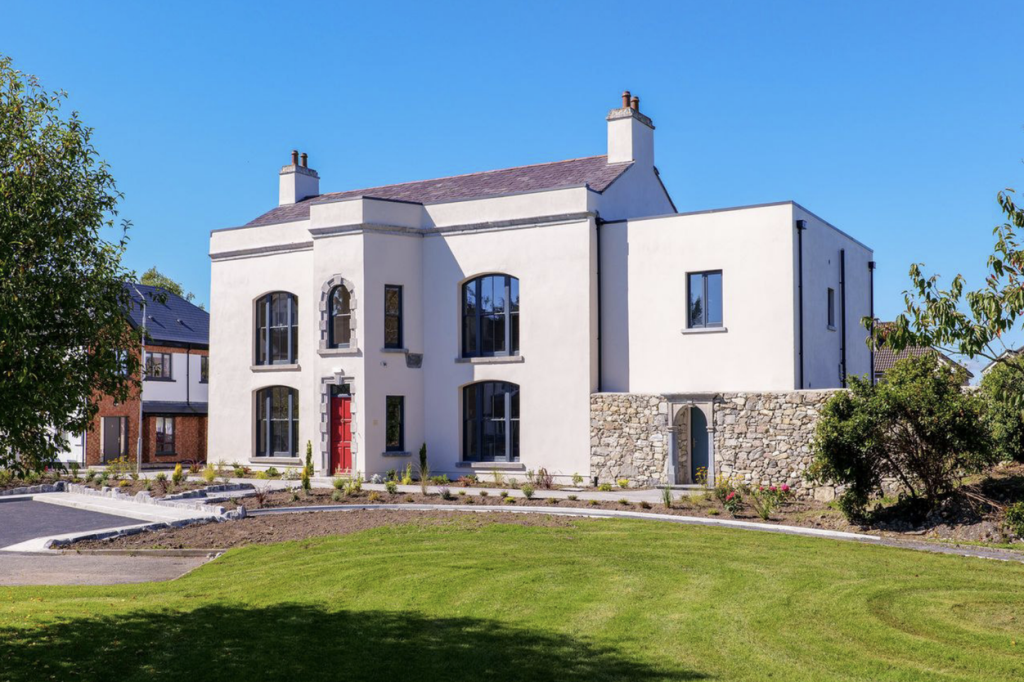
This happened in 2018, when BKRN acquired the property and recognised its potential despite being left completely uninhabitable after years of neglect. Although the structure remained sound, sections of the roof had collapsed and the interiors were in serious disrepair, requiring a comprehensive restoration. Guided by their vision to preserve the character of the original building while adapting it for modern living, BKRN carried out meticulous redevelopment work. The result was the transformation of the property into four high-quality apartments that perfectly combine heritage and charm with a contemporary design. This project stands as a testament to BKRN’s ability to see opportunities where others see obstacles, delivering lasting value to heritage, clients and the local community. Rahoon House stands today as a wonderful historic reminder of our housing and architectural heritage.
N.B. Apart from the Author’s Collection – All the other photographs are Courtesy Roger Fahy.