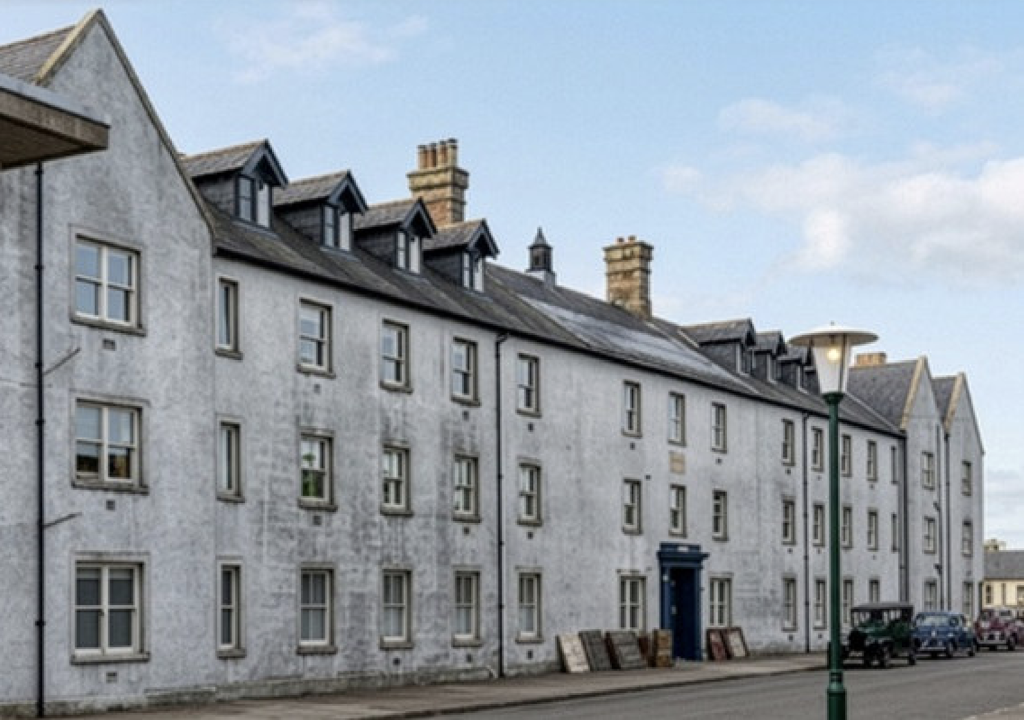
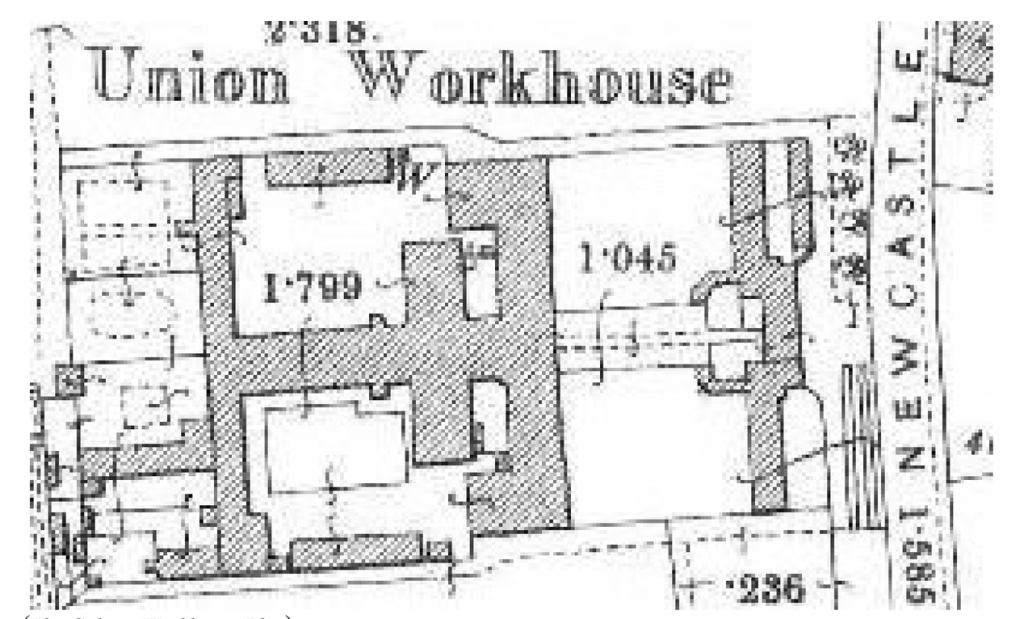
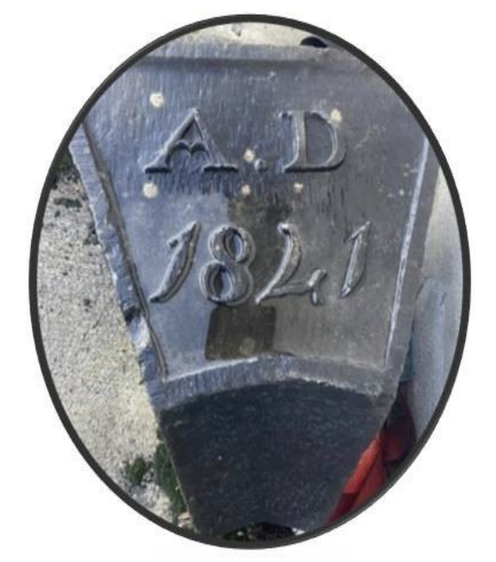
The Galway Workhouse had opened on Newcastle Road on 3 March 1842. It was the same year as the food riots in the town. The first person admitted was an old and infirm man, who died shortly afterwards. It was designed to cater for 800 inmates. However, by January 1847 it was overwhelmed with 1,143 destitute people recorded there. The number of deaths averaged between twenty-five and thirty people per week. Conditions in the workhouse were deliberately harsh; this was to deter any ‘able-bodied’ poor from relying on the system. Husbands were separated from their wives upon entering the workhouse and children were also separated from their parents. They also had to surrender their own clothing and wear a distinctive workhouse uniform. The treatment in the workhouse was in many ways similar to prisons leaving many inmates feeling that they were being punished for the crime of poverty. The conditions suffered in some workhouses also led to depression among adults and children alike. While there were many well-meaning measures such as education for children; appointment of doctors and chaplains; most workhouses were run on a shoestring budget causing these benevolent gestures to fall well short of their goal, particularly during the famine.
The scale of the disaster overall was enormous; it devastated communities and villages across the country, forcing thousands of people to make their way to the big towns, particularly Galway as it had a port. While the city was by no means the worst hit area during the famine; it did suffer its share of disease, starvation and death. Thousands died making the gruelling walk to the ports, many of them without the most basic acknowledgment of a marked grave. Many towns and villages shunned these people out of fear of disease; terrified at the daily sights they witnessed entering their community. It was commonplace to find bodies lying in ditches along the side of the road, some with grass-stained mouths bearing testament to their desperation. It was once said of Rahoon that no language could express the ghastly suffering of the poor and destitute of this district. It was reported that: ‘On every side, nothing but cries of death and starvation are heard. The poor are literally dropping on the public highways from hunger’.
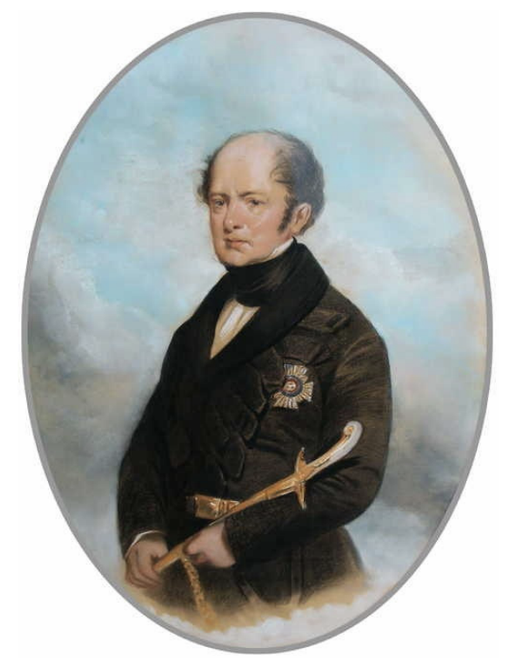
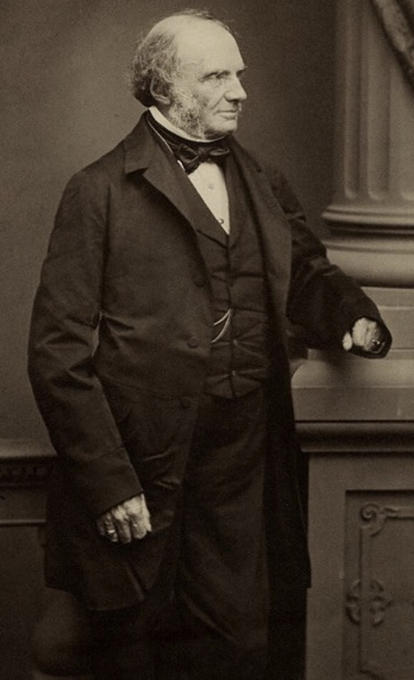
Unforgettable scenes of human misery were also witnessed in other areas. There were reports of bodies of women and children lying in ditches along the Dangan and Barna roads. One of the women found on the Dangan road was Mary Commins. She died while making her way to the workhouse. Another lady named Ms. Lawless from Rahoon collapsed from starvation at Taylor’s Hill and despite the best efforts of the Dominican Nuns, it was too late, she also died. The Galway Mercury declared that her name was, ‘Added to the list of victims sacrificed to the insane starvation policy of Lord John Russell and Sir Randolph Ronth. Another human being has been thus sent to great account by these heartless statesmen.’ It also stated the famine was doing its deathly work and ‘Hour by hour our fellow-citizens are sent to their last earthly resting place, the grave’. In another case, Pat and Bridget Duffy, (brother and sister) living near Spiddal died after eating ‘sea-grass and sea-weed’. Another Spiddal man, Mark Murphy attempted to walk from Spiddal to Galway and was in such a weakened state that death overcame him on the road near Barna.
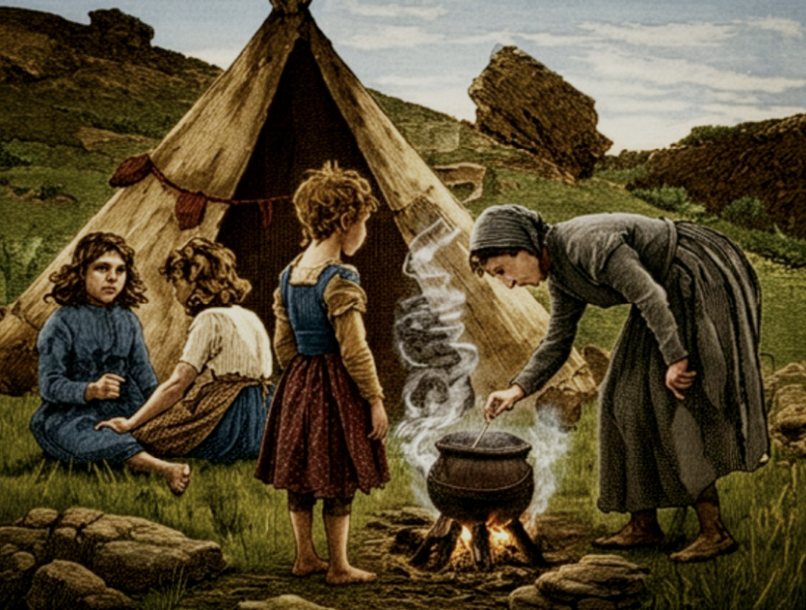
In the small parish of Bohermore at least five people per day perished. A local priest mentioned that people were trying to live on nettles and other wild plants. Even the Claddagh fishing village didn’t survive the disaster as contagious diseases have no boundaries. A soup kitchen was set up in the Claddagh to help elevate the suffering of these ‘Brave, worthy, honest race, simple-hearted and affectionate people’. In one small ‘wretched hovel’ three emaciated families were found huddled together with only rags to protect themselves from the bitter cold. Cholera struck the Claddagh making no distinction between young or old. There were so many children dying that it proved difficult to record all their names. The cemetery books simply recorded the number of children who died on a particular day. The question often asked regarding the famine in the Claddagh and indeed Connemara is; why did the people not eat fish? It seems that the erring shoals had moved some thirty or forty miles offshore; far out of reach of small fishing boats. Even when they were closer to shore, many fishermen couldn’t take advantage having pawned their equipment so as to purchase any available food.
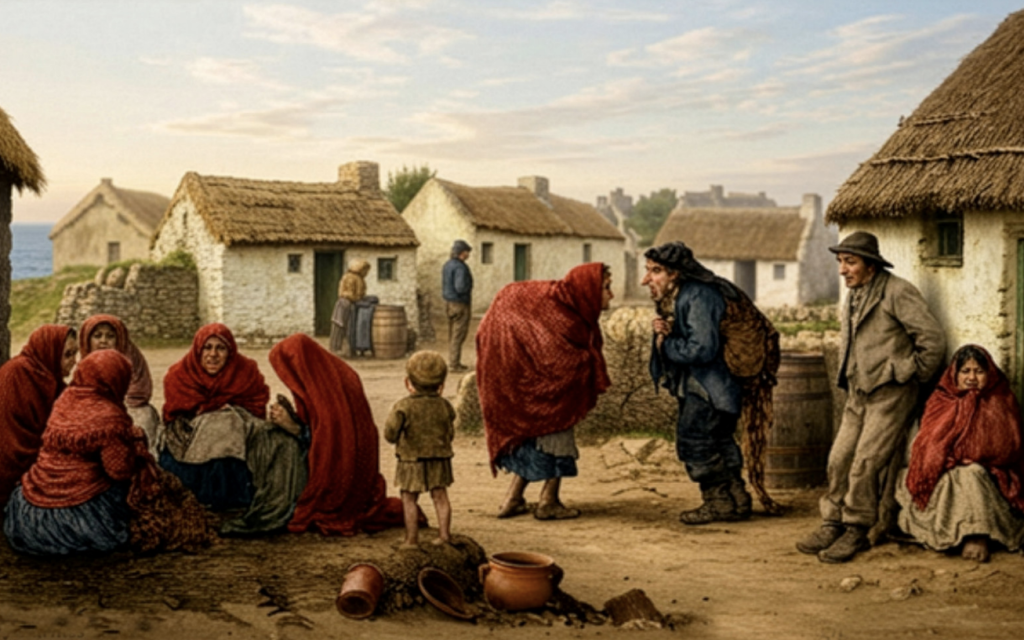
As the famine progressed, desperation set in among and attacks on food stores and transports became commonplace. On 7 May 1847, a group of people attacked a consignment of food at Eyre Square, while a group of women attacked a cart in Sickeen and made off with sacks of flour. A large ‘mob’ assembled at the stores of Henry Comerford and forced the entrance. Troops of the Seventh Hussars and a company of the 49th Regiment were deployed to support the police and patrolled the streets to ‘protect’ food from the starving. Nevertheless, sheer ‘desperation’ forced people to continue to risk being shot or jailed to alleviate hunger. In October 47, two carts of flour were ‘plundered’ near Renmore House. Local authorities dreaded the oncoming winter and reported that the government wasn’t doing enough to help the situation. Troops were also deployed to aid with evictions around the county. In March 1848, on the ‘bleak seashore’ of Galway several tenant families were forced out of their homes in terrible weather conditions after being refused permission to stay the night. It was reported that some had died, among them children, ‘not from want, but from this wanton and brutal exposure’. In June 1848, troop of the Scots Greys were sent from Loughrea to over-see the demolition of ten houses at Grange. The tenant’s only option was to make their way to the poor house, by which time it was totally overwhelmed.
Images: Courtesy John Bhaba Jaick Ó Congaola. Originally appeared in the Illustrated London News.