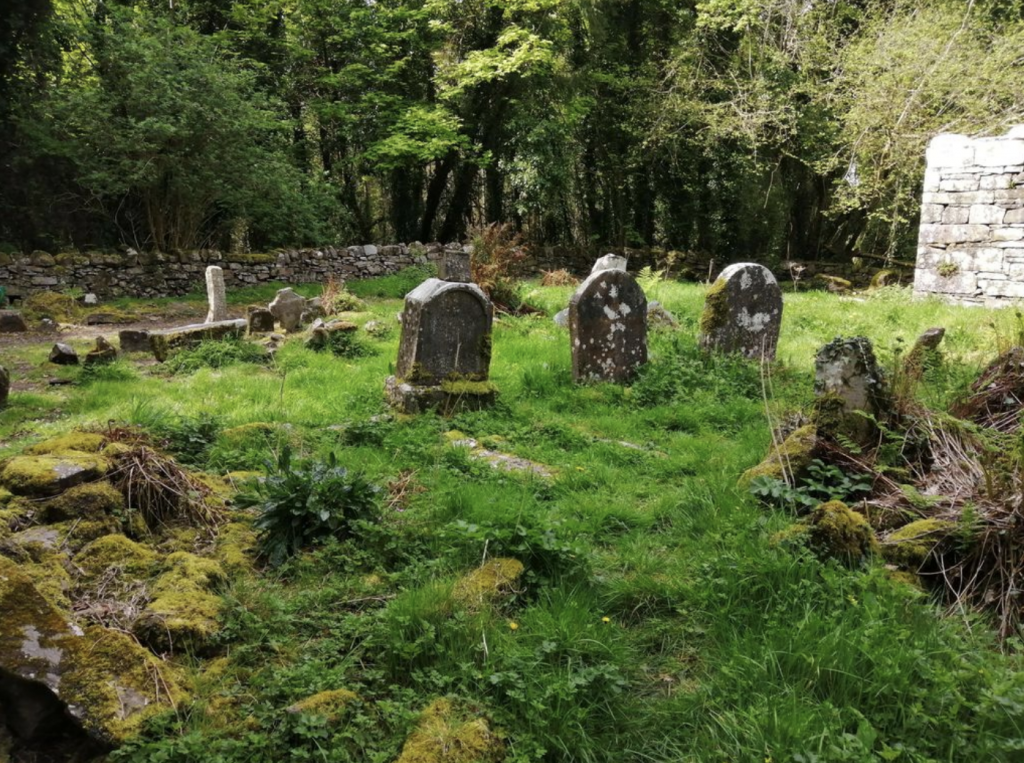
The island of Inchagoill is located at the northern end of the upper lake of Lough Corrib. It has a long and interesting history, dating from at least the Early Christian Period. It is referred to in the old Irish as Inis an Ghaill Crabhthigh meaning ‘The Island of the Devout Foreigner’ or ‘Stranger’.

According to most sources, the name derives for its association with Lugnaedon, the nephew of Saint Patrick. The island is long and wooded and is set against a backdrop of rugged but beautiful Connemara mountain scenery. Inchagoill is the most visited of all the islands on Lough Corrib. Anglers and tourists alike arrive there, and some have lunch on the island before exploring its wonders. There is a Silurian grit stone on the island known as the Lugnaedon pillar or stone. It is about 2 ½ feet in height above the ground and has an incised cross on the north side, with two similar carved crosses on each of the other sides. The stone carries the following inscription ‘Lie Lugnaedon Macc Limenueh’. This has been translated as ‘The stone of Lugnaedon, son of Limenueh’, who was the sister of Saint Patrick. The incisions on the stone date from the sixth century, and it is believed to be the remains of an Ogham stone. It has been suggested that similar to ‘holy wells’ it was sanctified and made acceptable to the early Christians who set about purging all objects and sites they believed were pagan. The stone obelisk as it has sometimes been called has excited the most celebrated archaeologists over the year.
Some experts have said that the wording is in Roman characters and is the earliest Christian inscription in Europe, with the exception of those in the Catacombs in Rome. It has also been suggested that the island takes its name from the stone. One source states that another version of the name is Inis an Ghaill, meaning ‘The Island of the Stone’. It also names the obelisk as ‘The Stone of Lugna’. The stone is located in a small, but ancient cemetery. It is worth noting that there have been a number different translations and meanings put forward for the inscriptions over many years.
The first known interpretation of the inscription was made by a soldier, James O’Farrell, in 1810. He said that it marked the grave of three brothers, Goill, Ardan and Sionan. O’Farrell said that the island was named after the eldest brother, Goill. However, his theory and translation has been totally debunked by many experts, including George Petrie, who is known as the father of Irish archaeology. Nevertheless, the Luguaedon pillar stone is the most important of its type in Ireland.
The Book of Lecan, records that Lugna was indeed the nephew of Saint Patrick, but also his navigator. According to Stephen Gwynn in his book, The Fair Hills of Ireland, ever since the time of Brian Boru there has been someone living on Inchagoill with an Irish name meaning either the ‘Saint’s family’ or the ‘Saint’s son’. This book was first published in 1906. When Gwynn was compiling his book, there was a man named Martin Kinneavy living on the island. He translated this man’s name to mean the ‘Saint’s son’. Kinneavy was a boat builder and was married with children. Two of them were Patrick and Martin. Patrick followed his father into the craft of boat-building and lived in Oughterard, where he was taken as a boy. The other son, Martin, joined the priesthood and when to live in Australia. There was also a William Kinneavy in the family. According to one source, Martin Kinneavy was the last indigenous islander of Inchagoill. However, Thomas Nevin, who was the caretaker for the Guinness family, lived there until his retirement. The Guinness family left Cong in 1938, and it has been suggested that it was shortly before this time that Nevin retired. Nevin looked after the cemetery and paths throughout the island. In September 1964, Hurricane Debby swept across the Corrib causing much damage on the islands including Inchagoill where it knocked many trees across the wonderful paths around the island.
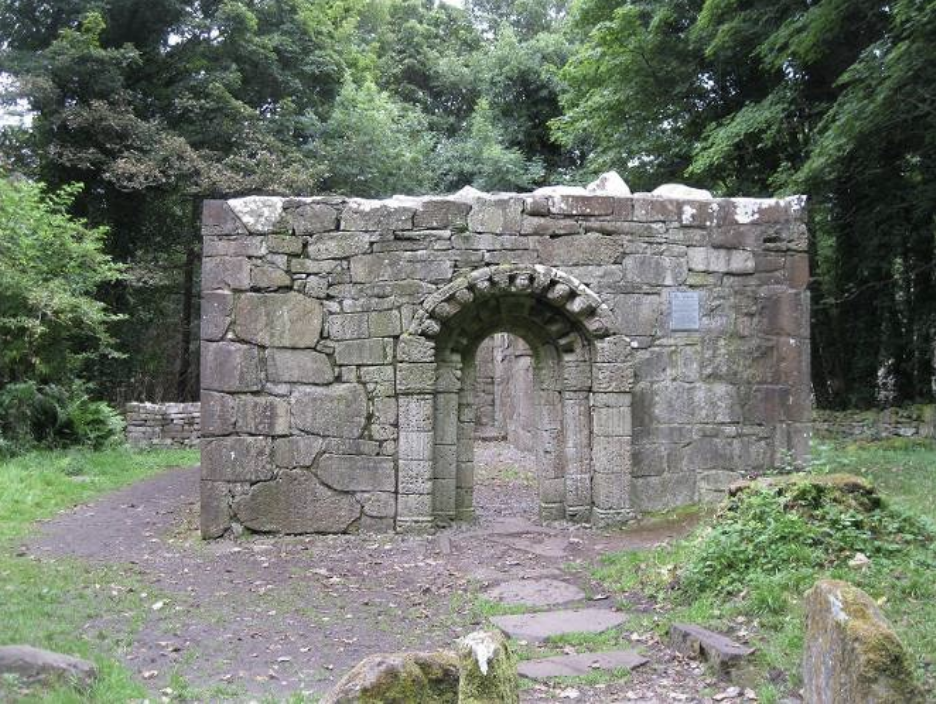
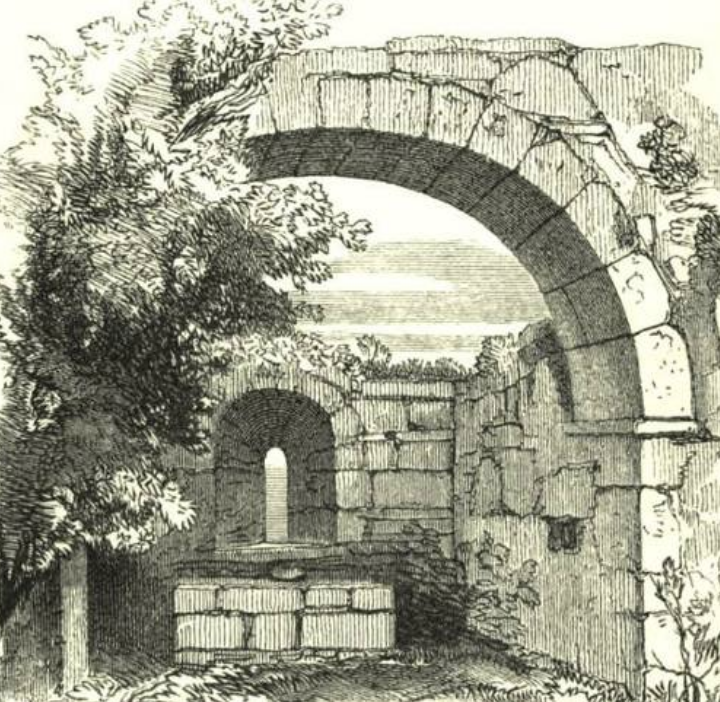
There are also two small medieval churches on the island. One of them is called Teampull Na Naomh, meaning the Church of the Saints; and Teampall Phádraic or Saint Patrick’s Church. The church of Saint Patrick is small, measuring about 34 ½ feet in length along the outside walls. It is the church closest to the Lugnaedon stone. While earlier sources indicated that this church dated from the time of Saint Patrick, this is certainly not the case. It is much later, perhaps the tenth century. It has a square headed Hibernian type doorway. The church is devoid of carved ornamentation. An ancient path about 80 yards long connects the two churches. The ‘Church of the Saints’ has a very interesting Hiberno-Romanesque decorated east doorway. It is a wonderful example of twelfth century architecture. There are several receding arches making up this beautiful doorway, which is decorated with a variety of ornamentation. The high section of the top arch contains a series of beautifully carved heads in red sandstone. Unfortunately, the carvings are now pock-marked because of the acid rain. The nave of the church is about 21 ½ feet by 12 ½ feet. The south wall has a round headed single window and is deeply splayed inside. One of the most remarkable carvings on the island can be found incised onto a Cyclopean stone inserted on the western corner of the wall. The stone contains ancient carvings of Greek or Byzantine crosses. The stone altar is approximately 4 ½ feet by 3 ½ feet and is in good condition. There are also Bullaun stones located at the site, and some believe that these were used as holy water fonts. Bullaun stones are usually associated with religious sites and while some say they were used for holy water, they could also have been used for grinding pigment. There is a mound or tomb just outside this church and this is believed is the grave of Muirgehas O’Nioc, Archbishop of Tuam, who died there in 1128.
There are other historical aspects to the island. Following the defeat of the Spanish Armada in 1588, many of their vessels were shipwrecked off the west coast of Ireland. Some 300 Spanish soldiers and sailors were hunted down and captured by Sir Richard Bingham, who was the Governor of Connacht at the time. The Spaniards were taken to Forthill in Galway, where they were executed. A plaque now commemorates this tragic event. However, there is a tradition in Galway that three of the Spaniards escaped and two of them eventually made their way back to Spain. According to the account, the third Spanish soldier made his way to the island of Inchagoill and lived there for the remainder of his life.
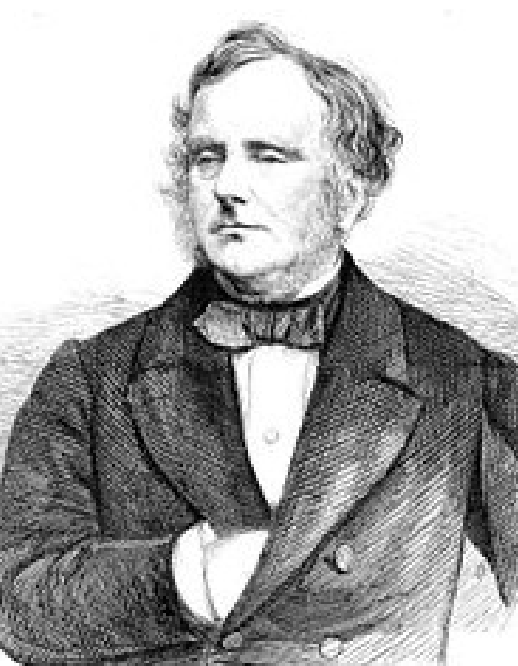
As owner of the island during the nineteenth century, Sir Benjamin Lee Guinness carried out a lot of work there. He had a large limestone structure built there in 1860. It was known as the Coffee House and provided a wonderful view from the roof in the early years prior to growth of the trees. Sir William Wilde visited Inchagoill a number of times during the 1860s and recorded the monuments in detail if his book Wilde’s Lough Corrib. He had a great fascination and love of the place and indeed the entire Cong area. The Wilde family lived at Moytura House for a time. Another man who recorded much of the information about the island and indeed the Corrib was Richard Hayward. He published his experiences of the Corrib in 1943. One can gain some knowledge of the names of families who lived on the island or were associated with it from the gravestones in the cemetery there. These families include Conways, Sullivans, Murphies, Lyddans, Butlers; and Kinneevy as already mentioned above. It has been said that many a wild wail of the Irish keening women has floated over the surrounding waters ‘as the funeral procession of boats, with their picturesquely clad freights, approached the shore of this sacred isle’.
On 3 July 1960, anglers and lake enthusiasts decided to honour the saints associated with the Corrib. They gathered in Teampall Phádraic on the island where mass was celebrated. This has continued over the years and is usually held on the first Sunday in August. The mass is also offered for the safety of those using the Corrib and for those who lost their lives in these waters. According to some sources, the 1960 mass was the first to be celebrated on the island in 400 years. It was historian, Canon George Quinn, who initiated the annual mass, and he celebrated it for the first twelve years. Even in today’s world of so many distractions, the island of Inchagoill continues to intrigue and attract people to its shores. Note: The story of Inchagoill will be included in a forthcoming book on Lough Corrib.