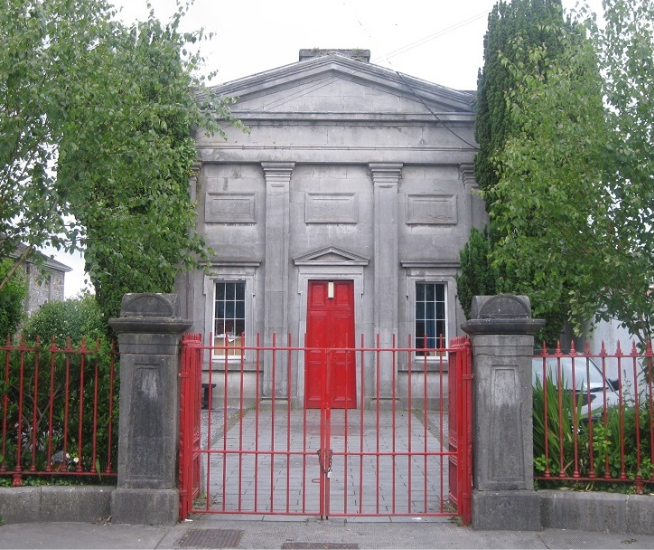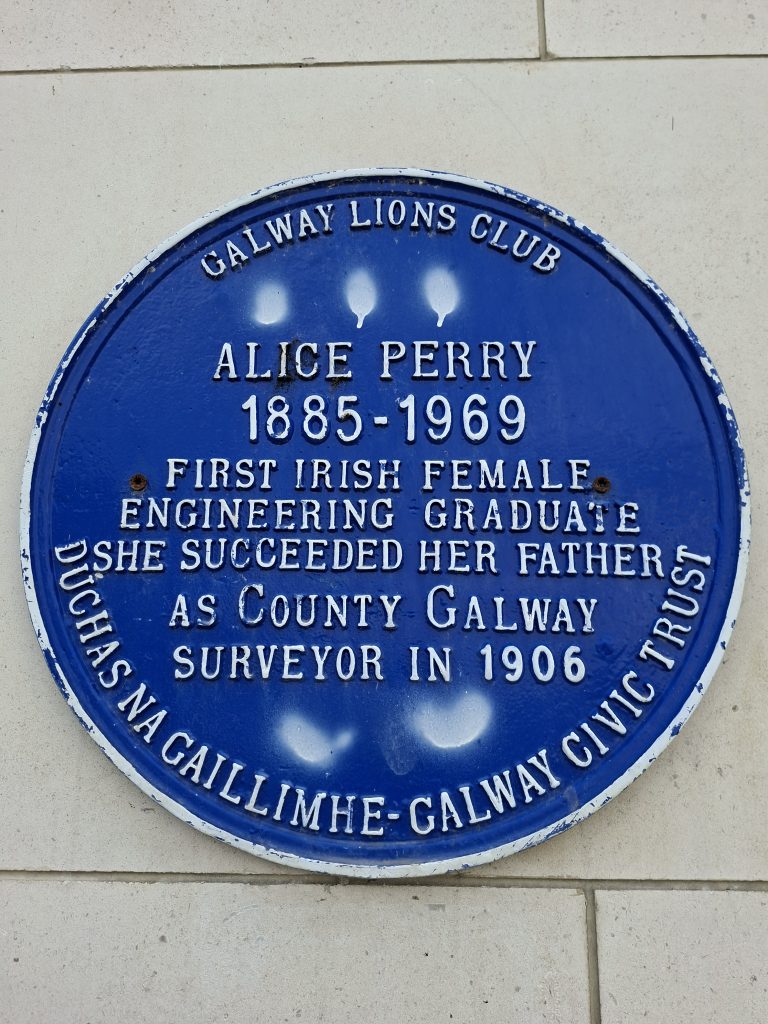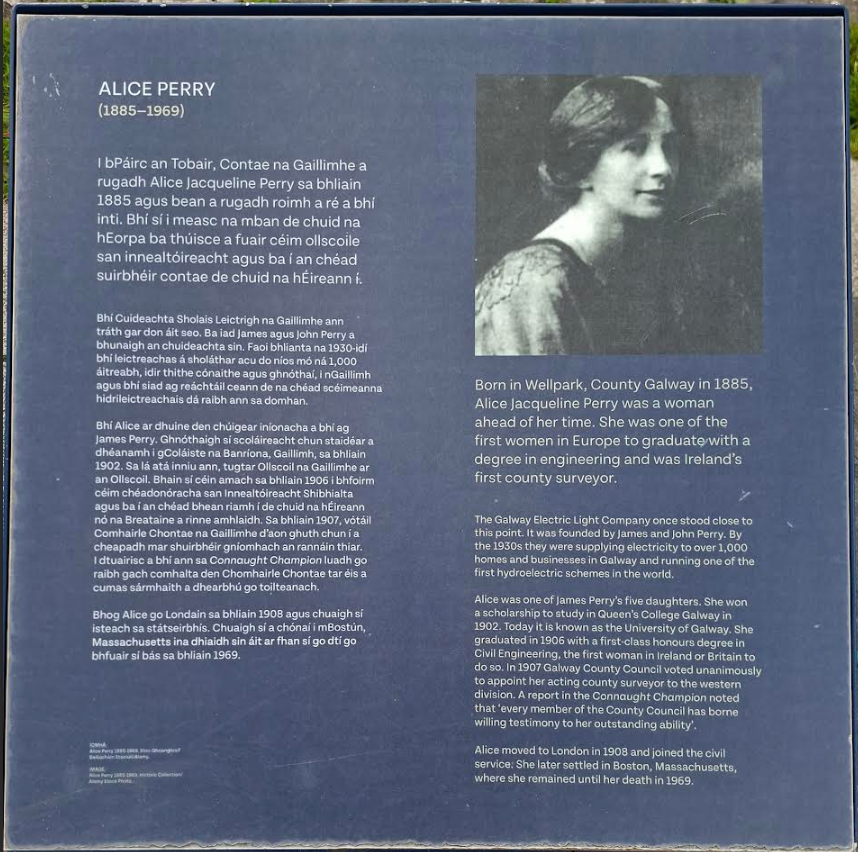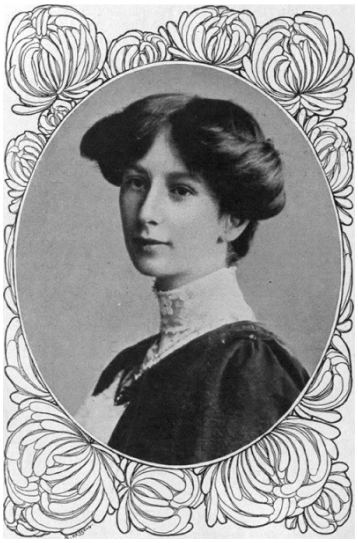
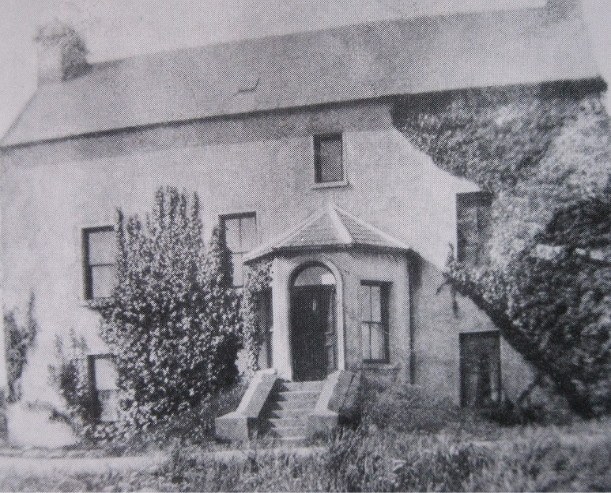
Alice Jacqueline Perry was the first woman to graduate in engineering in Ireland and the United Kingdom. She was born on 24 October 1885 in Wellpark House, Galway. Her parents were James and Martha Perry nee Park. She was one of five sisters. Her father was the County Surveyor for Galway West. He was also a co-founder of the Galway Electric Light Company, which opened in Newtownsmith. Her uncle was John Perry (Fellow of the Royal Society), who is credited with inventing the navigational gyroscope. It seems that he was also involved in the setting up of the Galway Electric Light Company. The family were Presbyterian and attended the small, but very ornate church on Nuns Island. This building houses the Nuns Island Theatre today. It has been suggested that, as a young girl, Alice was influenced by her family’s involvement in engineering. This would certainly seem to be the case, given her later academic path. She had a flair for mathematics from an early age. Her education began at Millbrook House, and she later attended the High School in Galway. Her academic talent earned Alice a scholarship to Queen’s College Galway (University of Galway). She began as an Arts student in 1902. However, because of her excellent command of mathematics, she decided to cease her arts studies and concentrate her efforts on a degree in engineering. Although busy with her studies, she found time to act as her father’s personal assistant while carrying out his duties as County Surveyor.
Alice was obviously a very intelligent young woman, as her studies did not suffer because of extracurricular activities. This was evident in 1906 when she graduated with a Bachelor of Engineering Degree and was top of her civil engineering class. In doing so, Alice became the first woman in Ireland and the United Kingdom to graduate with an engineering degree. This was certainly breaking new ground for women, as engineering was a career dominated by men at that time. Alice wasn’t alone in her university success; her family were academically gifted, with at least two of her sisters, Molly and Nettie, also graduating with degrees.
Following her graduation, Alice was offered a senior postgraduate scholarship at the college. However, she declined because of the death of her father. His death had left the position of County Surveyor open. In December 1906, she was appointed to fill the post on a temporary basis. It seems that her appointment was agreed upon by all concerned. She was appointed on the same salary as her father, which was £400 per annum with an additional £100 for expenses. She proved a diligent worker and travelled widely around the county in all weathers to perform her duties. Her role involved inspecting public buildings, roads, walls, piers and bridges across the rugged landscape of the Western Division. While engaged in this work, the county surveyor in the Eastern Division died. Her workload then increased as Alice also took on some of these duties. She continued to carry out her enormous duties with extraordinary diligence. It didn’t go unnoticed as one newspaper reported, ‘The many and arduous duties of County Surveyor have never been better or more faithfully discharged since they were taken over by Miss Perry’. A similar report also commented on her outstanding ability and high work ethic.
Despite her excellent performance, the position was advertised six months later, while she was still carrying out the work. She applied for the permanent post but was unsuccessful. It seems that the East Galway post was also advertised, but again the role was filled by another applicant. It was said that her age and lack of ‘experience’ were the reasons she didn’t secure the position. It was also said that her command of the Irish language was not sufficient for the role either. These reasons certainly do not stand up to scrutiny; this young woman had absolutely filled her role with amazing ability. Her attention to duty and her professional work ethic had already been recognised by all members of the council. It seems more likely that these were simply excuses because Alice was a young woman attempting to fill a role dominated by men. It was a period when such positions were male-dominated. Women were also subjected to the negative attitudes of that time. It must have been very difficult for her, knowing that she had filled the role (both roles) in such a professional manner, and all concerned had indicated that they were extremely pleased with her performance. Nevertheless, Alice moved on with her life and could take some pride in the fact that she had created another milestone for women. She was the first woman to serve as County Surveyor in Ireland, even if it was considered temporary.
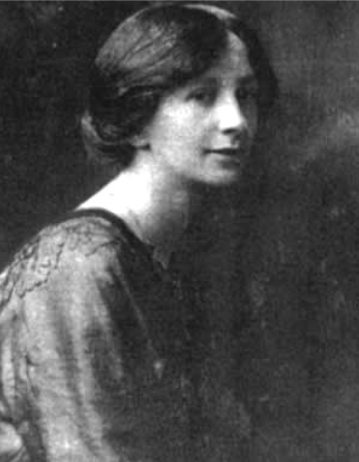
In 1908, she went to London, and it seems her sisters went along with her. She secured employment as a Lady Factory Inspector for the British Home Office. This work involved monitoring laws in relation to the employment of women, particularly in an industrial setting. One of her main responsibilities concerned women being exposed to toxic substances such as lead and mercury in a factory environment. While the Industrial Revolution had brought much employment, there was also a lack of safety features around many of the machines being operated in factories at that time. This was another area that Alice would have to address. Her qualifications in engineering helped her to be extremely effective as an inspector. Along with a number of other inspectors, she fought against bullying, sexual harassment, unfair dismissal, and illegal wage deductions. She also encouraged a greater awareness of health and safety measures in the workplace.
In 1915, Alice was transferred to the Glasgow office and continued her role there. By this period of her life, her religious beliefs were changing, and she converted to the church of Christian Science. Shortly afterwards, she met and fell in love with John ‘Bob’ Shaw, and they were married on 30 September 1916. Shaw was a soldier, as were the vast majority of young men at the time, as war was raging across Europe (Great War 1914-18). Sadly, Alice became a widow far too young when her husband was killed on the Western Front in May 1917.
It has been said that after his death, Alice found solace in religion. Alice began to write poetry, and this was an interest she continued throughout her life. Her role as inspector was acknowledged when she was offered a promotion. She declined the appointment as her interests were taking her along a different path. In 1921, she resigned from general employment as she developed a deeper interest in poetry, and her first book was published a year later. In 1923, she moved to Boston and began working at the headquarters of the Christian Science offices. Her work included editing poetry for various religious publications. She also continued to write poetry herself and, over time, had seven books published. She spent the remainder of her life in the United States. She visited Ireland on at least three occasions: 1930, 1948 and 1960. During her 1948 trip, she visited the Department of Civil Engineering at her old Alma Mater.
Alice Jacqueline Perry died on 21 April 1969. Sometime before her death, she had a memorial plaque commissioned in memory of her parents, which was erected in the Presbyterian Church on Nuns Island. In 2014, an All-Ireland medal was named in her honour, ‘The Alice Perry Medal’. Her next posthumous honour took place on Monday, 6 March 2017, when an official ceremony was held to mark the naming of the Alice Perry Engineering Building at the University of Galway. The event was also to launch the Máire Brazil Scholarship and to encourage and support talented female students to develop careers in engineering. Alice Perry was an extraordinary woman by any standard and someone that Galway can remember with great pride.