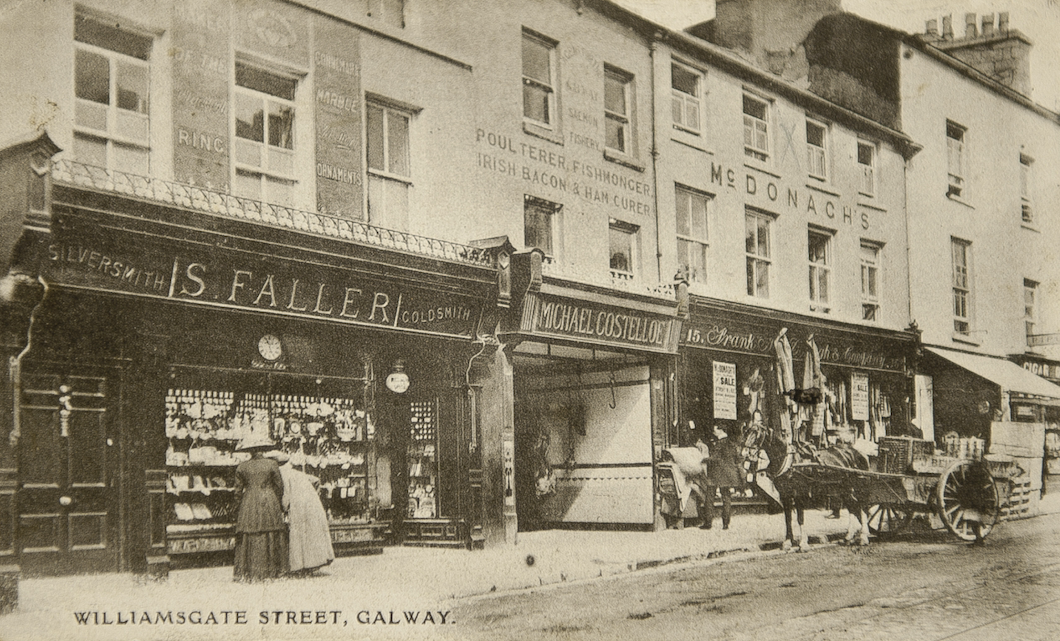
Faller’s on Williamsgate Street

The Story of A. Paul

Brendan McGowan
/
Old Galway

In 1879, a German watchmaker named Stephen Faller arrived in Galway, where he established a business on Dominick Street. In 1900 he moved the premises to Williamsgate Street, where the shop remains to this day. Around 1909, Faller placed an advertisement seeking a watchmaker’s assistant in an Austrian horology journal. The notice read, in translation: ‘Wanted immediately or at a later date a capable watchmaker’s assistant. Pleasant and permanent position. Starting salary: 60 marks per month with free board and lodging. Higher pay for good performance.’ The following year, the successful applicant – a young Austrian in his mid-20s named Alois Paulitsch (1883–1958) – moved to Galway. He was accompanied by his wife, Rosa ...


To read more get the magazine
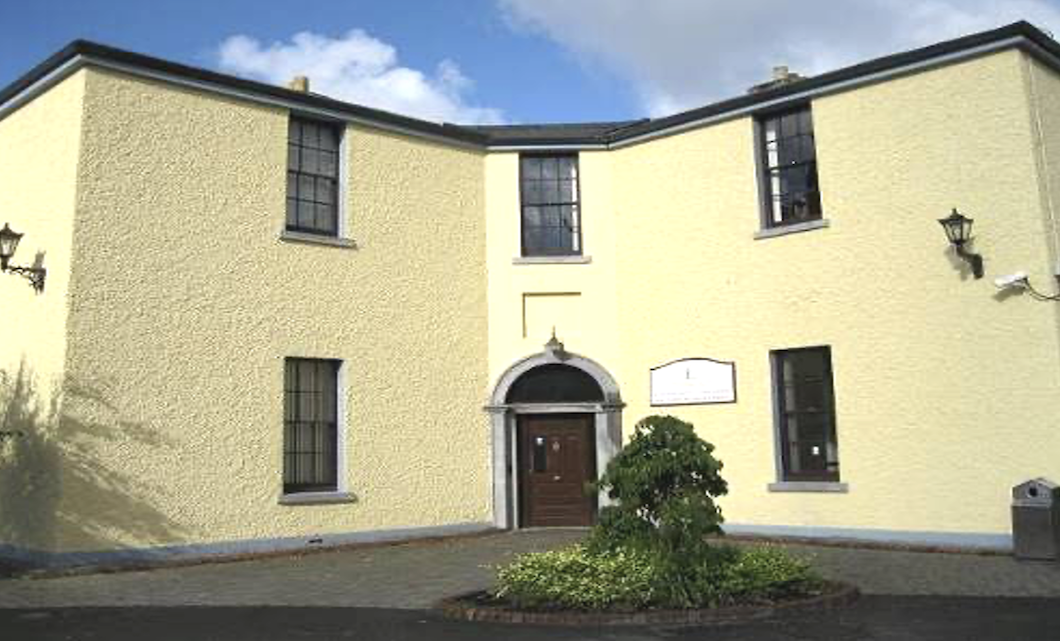
The old famine-fever hospital near Beggar’s Bridge dating from the 1825

Origins – The Great Irish Famine 1845-1850

William Henry
/
Local History

The Great Irish Famine that devastated Ireland between 1845-50 was one of the most tragic events in Irish history. In its aftermath it left perhaps a million people dead although the true figure will never be known. At least another million fled to other countries in the hope of a better life. Outbreaks of famine were not uncommon in Ireland. Over the previous century, the potato crops had failed on a number of occasions. On the last day of 1739, Ireland awoke to find itself in the grip of arctic conditions. During the extremely cold winter, the River Corrib was frozen from O’Brien’s Bridge to the mouth of Lough Corrib. The severe winter was followed by famine and disease, ...


Read the full article
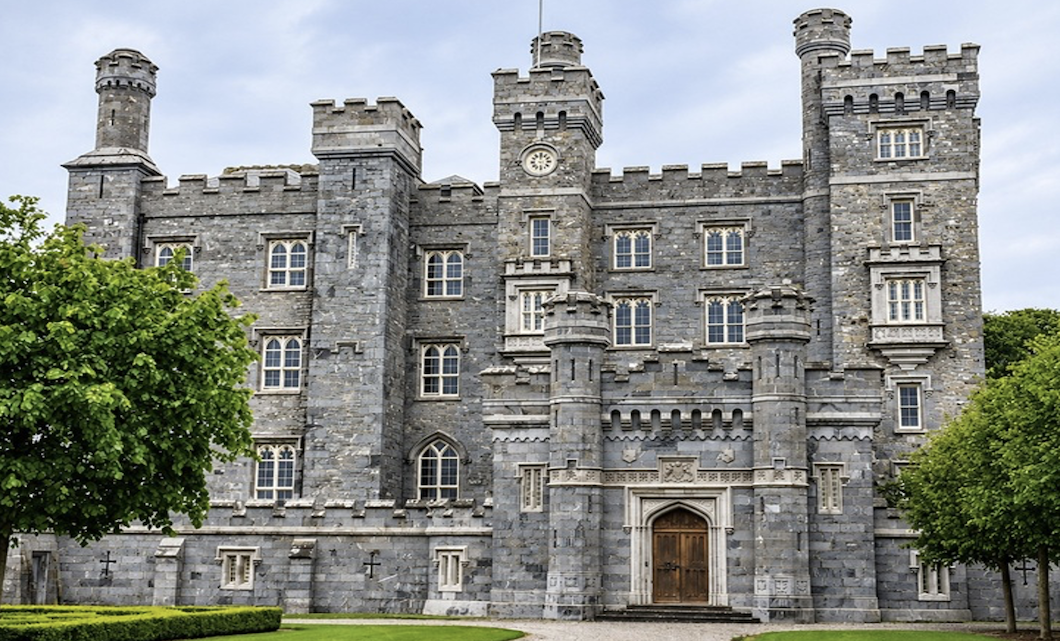
Killeen Castle

Daisy of Danesfield – Lady Fingall A Galway Woman at the Heart of a Changing Ireland

Hazel Morrison
/
Local History

Born at Danesfield in the village of Moycullen, Elizabeth Mary Burke - known throughout her life as Daisy - became Countess of Fingall and moved in the highest circles of late nineteenth and early twentieth century Ireland. Yet behind the society hostess was a woman deeply involved in Irish industry, the co-operative movement, women’s organisations, suffrage, education and charitable work. Baptised in Moycullen on 13 September 1862, Daisy grew up at Danesfield House, the home of her parents, local landlord and Magistrate George Edmund Burke and his wife Theresa Quin ...


To read more get the magazine
The Claddagh Ring

The Claddagh Ring

Lisa Henry
/
Local History

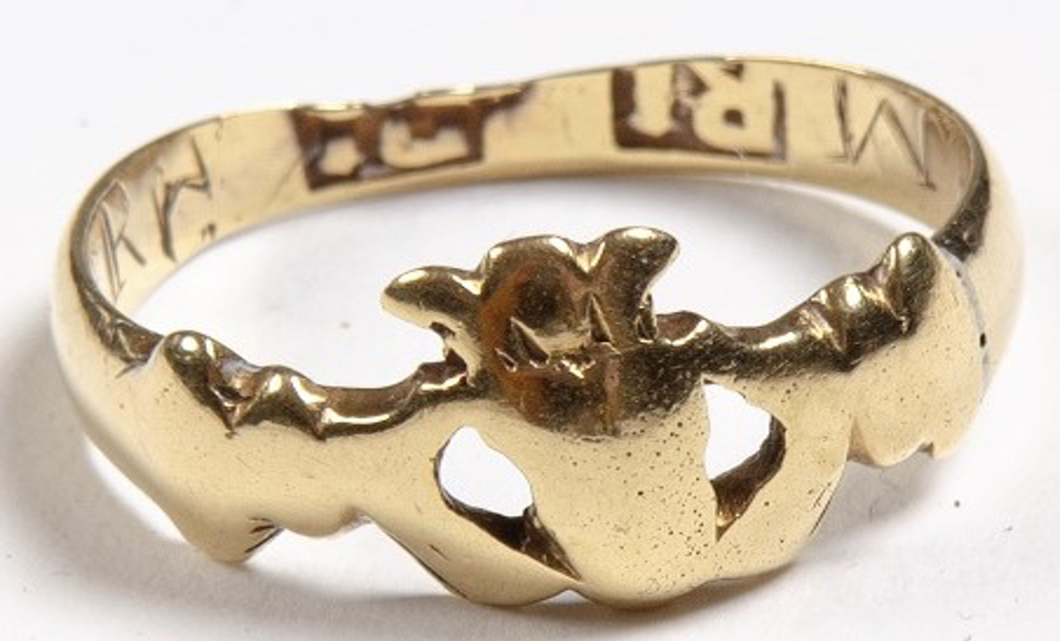
Most sources associated the origins of Claddagh Ring with Richard Joyce. In 1675, Joyce was captured by Barbary pirates while on a voyage to the West Indies. He was sold as a slave to a wealthy Turkish goldsmith in Algiers. This ring is made from gold and is in remarkable condition considering it is over 300 years old. It is stamped twice with Joyce’s maker’s mark, RI, and inscribed with the initials NCM and MRC, which may belong to past owners. Joyce was put to work and trained in the art of making jewellery. In 1689, he was released as a result of demands by William III. It seems the goldsmith offered Joyce his daughter’s hand in marriage and half his wealth to remain in Algiers. Joyce declined the offer and returned to Galway with knowledge of the Claddagh Ring. His success in the jewellery business enabled him to ...


To read more get the magazine
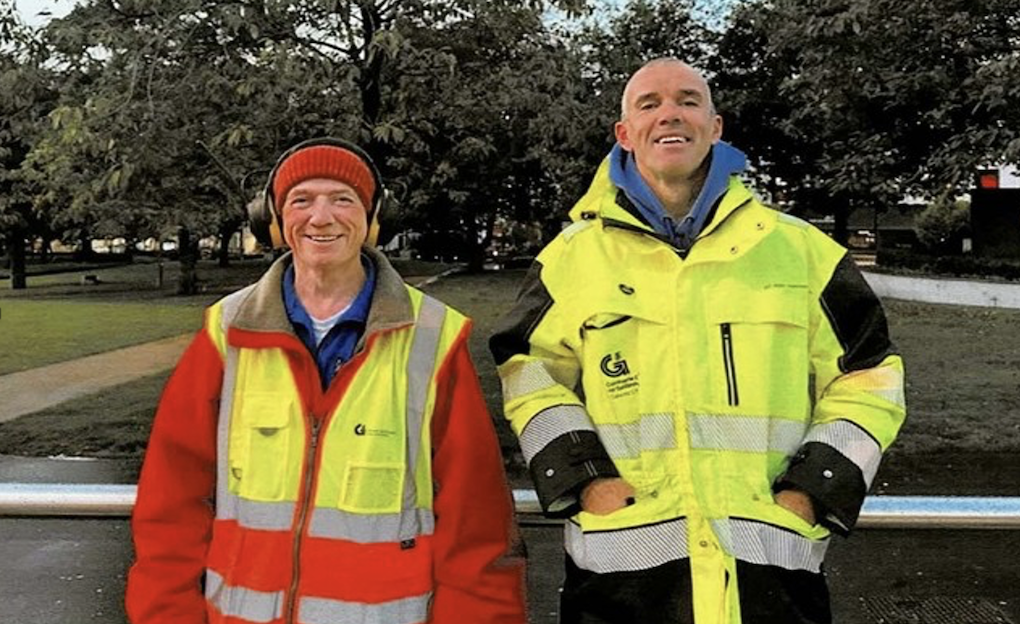
Pat McPhilbin and Kevin O Brien

Patrick McPhilbin’s Tales from the Galway Night

Jack Kavanagh
/
Galway Musings

Pat McPhilbin is a creature of the night. For nearly four decades he has ensured that when the sun rises on the streets of Galway, the lives of its citizens will be brighter and cleaner for his largely unseen presence. Pat used to start his workday at the gate of the New Cemetery, Bohermore, up by the Huntsman Hotel, at 4:45 every morning. Similar to most Galwegians, Pat is lively and affable company when he’s in the land of the living. But he’s equally at home in the deathly quiet of the night among those citizens who rest in peace the New Cemetery, for outsiders not yet adjusted to the more medieval notion of Galway time, is 146 years old. It now holds over 100,000 souls. That’s a fair few more than the still-vertical townspeople (86,910 at last count), who make quite the mess each night down nearer the city ...


To read more get the magazine
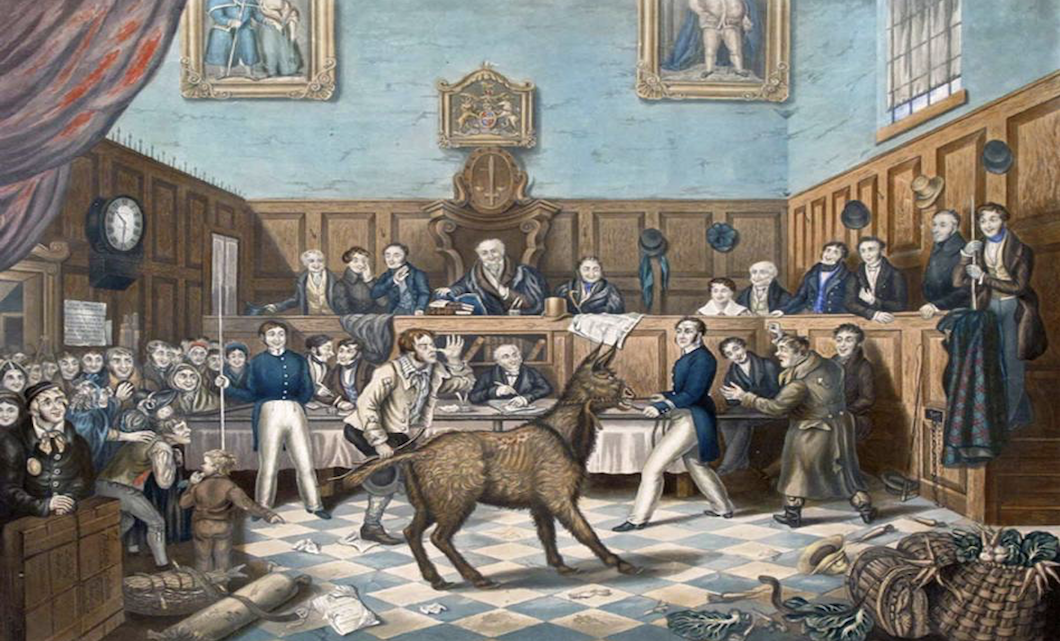
The Trial of Bill Burns, who became the first person convicted of animal cruelty under the Martin Act

Sir Richard Martin

Jacqueline O’Brien
/
Local History

Sir Richard Martin was born on 6 February 1754 in Dangan House. He was a noted politician, duellist and animal rights campaigner. He was educated at Harrow and Trinity College, Cambridge. The family owned one of the biggest estates in all of Great Britain and Ireland. The absolute power he had over his immense territory earned him the nickname, ‘King of Connemara’. During his political career, he represented Galway as a Member of Parliament in Westminster. In 1777, he married the very beautiful Elizabeth Vesey, whose family were from County Mayo. They eventually had three children. They both had a big interest in theatricals which led to Martin setting up a theatre in Kirwan’s Lane, Galway. It was located close to his town house (Tigh Neachtains Pub) ...


To read more get the magazine