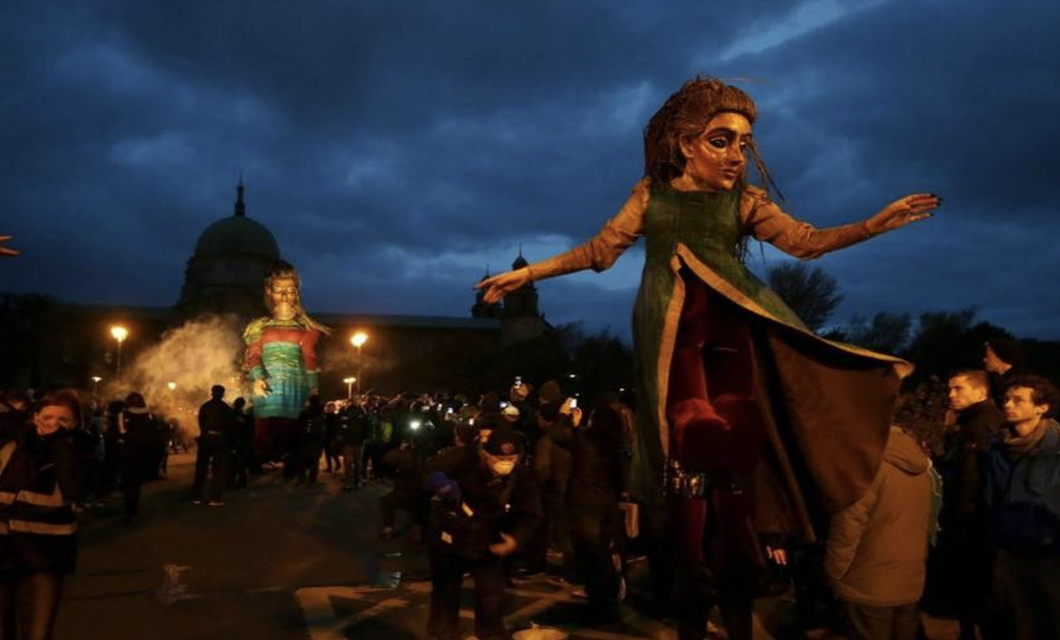
Macnas Halloween Parade 2015 passing over the Salmon Weir Bridge

The Magic of Macnas

Willie Henry
/
Galway Musings

Macnas was founded in Galway by Páraic Breathnach, Tom Conroy, Ollie Jennings and Pete Sammon in 1986. Macnas is the Irish for ‘Frolicking’ and is a performance company based at Fisheries Field in Galway. The Company became known for its large-scale, immersive street performances rooted in Celtic folklore. The public performances by Macnas are noted for being ‘pioneering, inventive and radical ... The company has been credited with changing the nature of public entertainment in Ireland and is regarded as highly influential within the field of spectacle performance’. Macnas have preformed all across the globe and are a welcomed addition to parades everywhere ...


To read more get the magazine
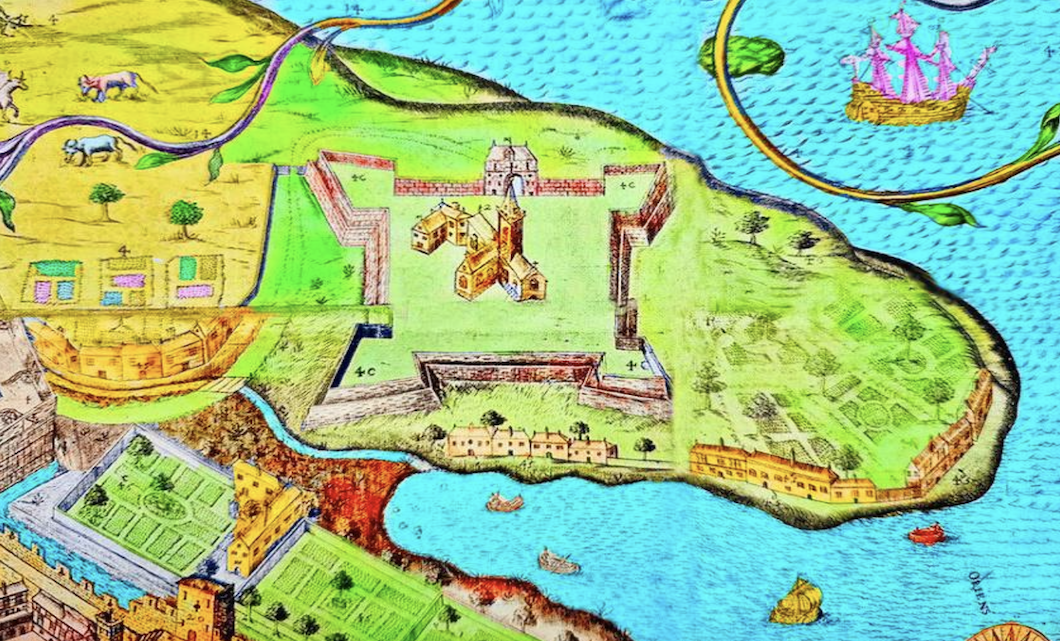
The fort and Abbey as depicted on the 1651 Map of Galway

The Story of Forthill

Lisa Henry
/
Local History

Forthill is a place absolutely steeped in history. There is an old saying that a true Galwegian is someone with family buried in Forthill Cemetery as it supposedly contains burials from its very foundation in 1500. Once inside its gates one is taken back through centuries of history and heritage. The old Abbey has long since gone, but beneath the soil of this ancient cemetery rest the bones of many ‘brave, illustrious and noble people of Galway who have earned their eternal sleep’. Among the ancient burials are descendants of the Princes of Tyrconnell, chief members of the Galway tribal families and two Archbishops of Tuam. In 1551, the Protestant authorities petitioned the King to have the cemetery ...


To read more get the magazine
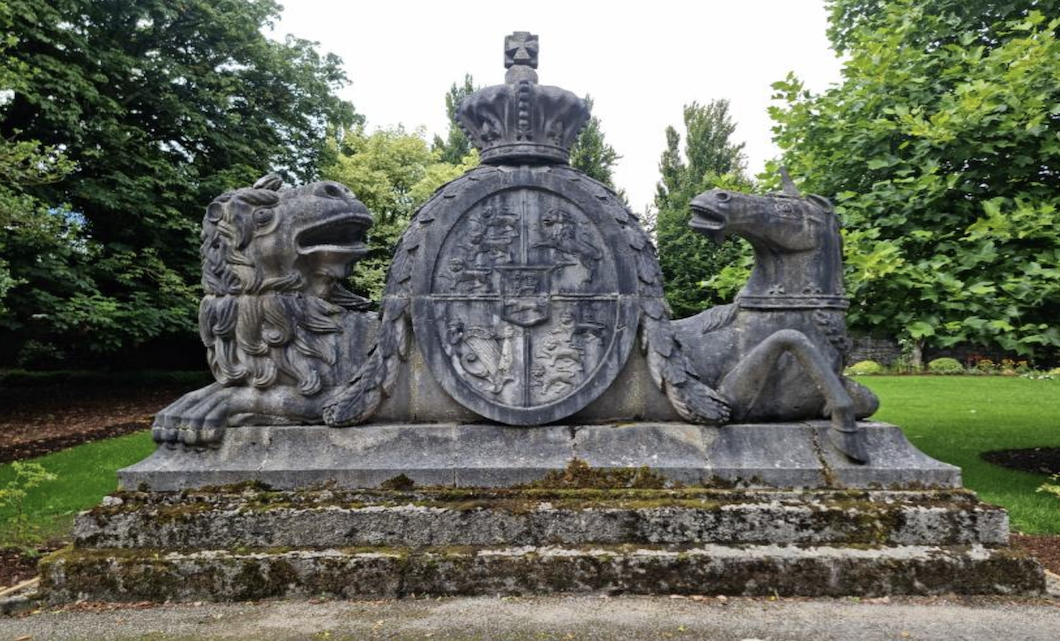
The Royal Arms from the County Courthouse in the President’s Garden, University of Galway

When the Crowns Came Down

Brendan McGowan
/
Local History

Historically, Galway possessed two courthouses situated to the north of the town at Newtownsmith. The County Courthouse, completed in 1815, continues to serve its original purpose, while the Town Courthouse, finished in 1825, was later adapted as a town hall and now functions as the theatre. Facing one another, both buildings were originally surmounted by the Royal Arms, signifying that justice emanated from the British Crown. It is often assumed that these emblems were removed upon the establishment of the Irish Free State, but this was not the case. The arms over the Town Courthouse were taken down as early as 1904, while those over the County Courthouse ...


To read more get the magazine
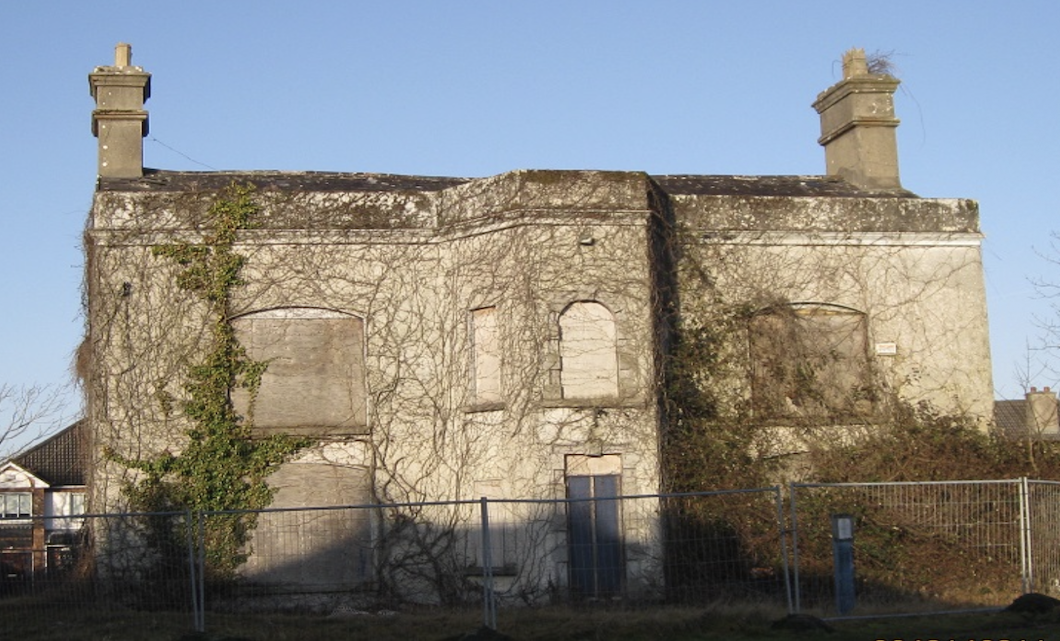
Rahoon House before being restored. Courtesy Roger Fahy

Rahoon House – Historical Treasure

Willie Henry
/
Local History

Rahoon House has been tastefully restored after many years of neglect. The house is an important architectural and historical treasure in Galway. While the exact date of its construction is not known for certain, there are clues to its origins. It seems that the house, some suggest, was acquired by Colonel Whaley, a Cromwellian officer at the siege of Galway (1651-52). He later sold the house and surrounding land to Richard Joyce. Joyce had been captured by Moors some years earlier while on a journey to the West Indies. He was sold as a slave to a wealthy Algerian goldsmith. Joyce was put to work and under this man’s guidance became ...


To read more get the magazine
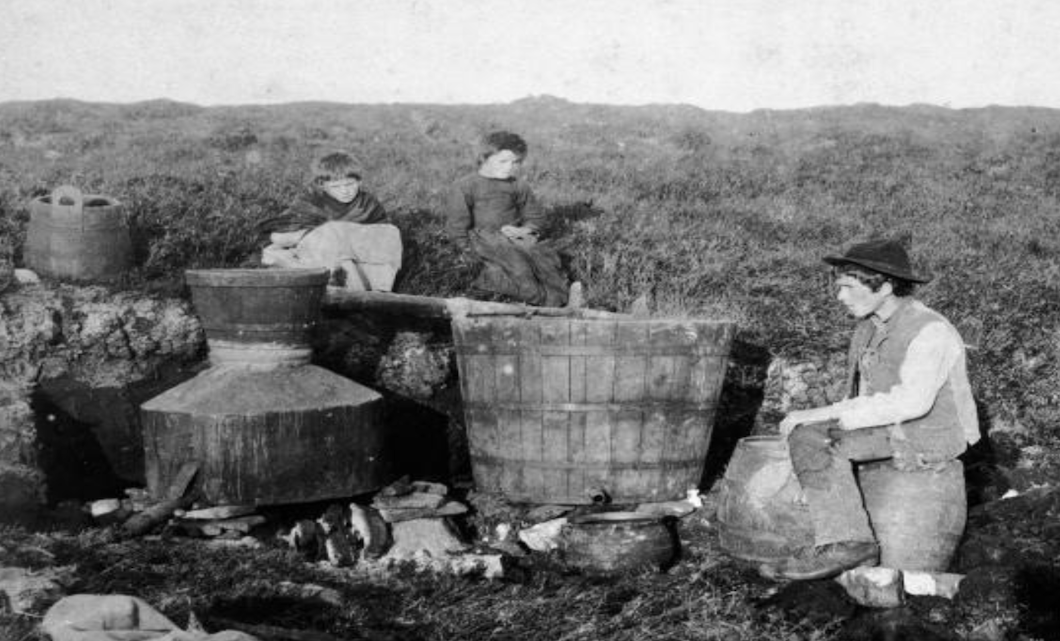
Poteen Makers starting young. Courtesy John Bhaba Jaick Ó Congaola Garumna and Lettermullen Heritage Centre

Poteen and Fairies

Jacqueline O’Brien
/
Galway Musings

Poteen is one of the oldest alcoholic drinks in Ireland and has been illegally distilled for centuries. The name derives from the old Irish word ‘poto’ meaning pot because it was originally distilled in a container called a ‘pot still’. Poteen was traditionally distilled from malted barley, grain or potatoes (in poverty stricken areas) and yeast, adding a ‘pinch of salt’ as required. It is believed to be one of the strongest alcoholic beverages in the world. There was a huge trade in poteen particularly in the West of Ireland during the nineteenth century with home-made stills in existence throughout Connemara. The length of time the blend was left to malt was important as this would ensure the best quality poteen. Three weeks was considered to be ideal ...


To read more get the magazine
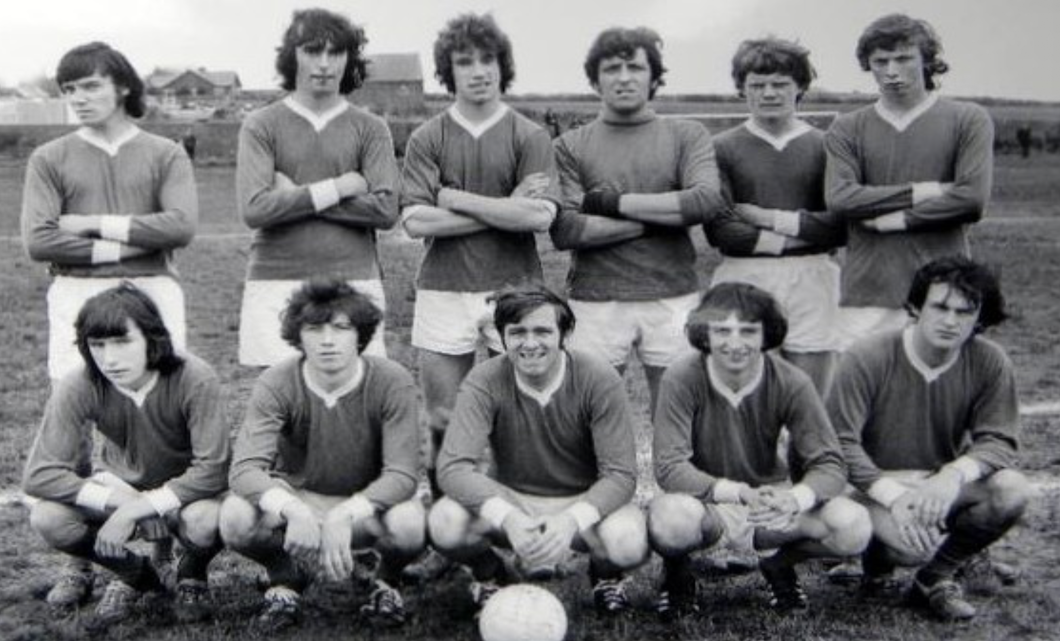
West United Premier League and Joe Ryan Cup Winners 1970

West United (80 Years – Soccer History)

David Henry
/
Local History

West United A.F.C. was founded in 1945 by Colie McDonagh, Michael Byrne, Matt Glynn, Tim Keane, and Charlie Devlin. The club adopted green and white hoops as its official colours. Initially, they played their home games at West Park in Renmore. In the early years, the club enjoyed notable success, capturing the Murphy Cup twice within its first five seasons. However, the club was disbanded in 1951; the reason is not clear. The club was re-established in 1958, with Gerry Forkan taking on the role of President. The 1960s proved successful and set the stage for future excellence. The 1970s marked a golden era for West United as the club rose to prominence in both junior and underage football. In 1970-71, the club claimed ...


To read more get the magazine