In 1976, the high standard of Galway Rovers at junior level was recognised on the national scale when they were invited to compete in the Bass League Cup. The invitation came following a meeting between P.J. O’Connell, committee member and Seamus O’Brien, President of the FAI. Following the meeting the Rovers’ committee informed the Galway FA of the proposal. After discussions between all concerned it was decided to accept the invitation. O’Brien then visited Terryland Park (Eamonn Deacy Park) to view the pitch and grounds. He informed Rovers that a lot of improvements would be required before it could be used for League of Ireland football. They were then invited to present their case before the top ranking officials in the League of Ireland. The Rovers’ delegation travelled to Dublin for a meeting with the Executive Committee. The delegation included Martin Moran, Pat McNamara and P.J. O’Connell. The Executive Committee members gave their support to the proposal. The delegates returned to Galway and faced the enormous task of developing Terryland to the required standards.
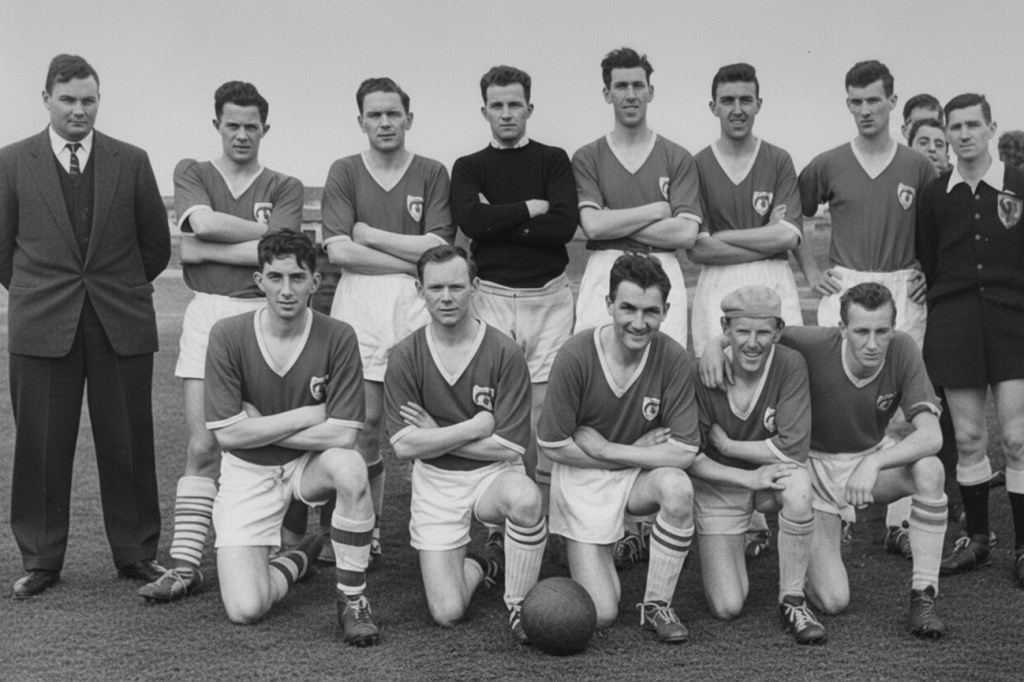
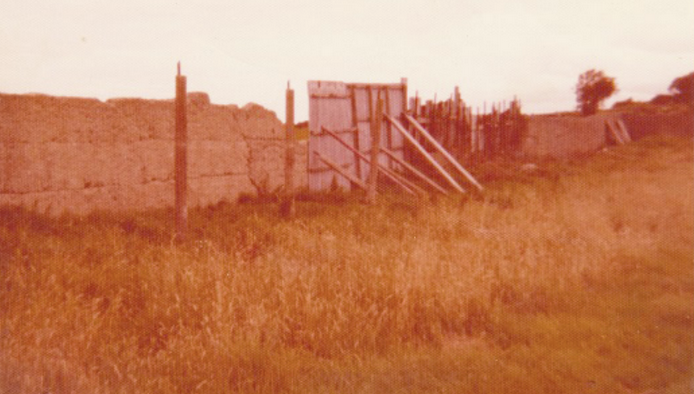
Time was really against them, and so they made an attempt to secure the Sportsground at College Road, but this venue was unavailable. Rovers now had no choice; Terryland would have to be the venue and the urgent development work began. While it was a daunting task, a combination of hard work and a major fundraising campaign ensured the grounds were ready for the game in just five weeks. One fundraiser involved Johnny Giles taking part in a walk from Eyre Square to Salthill. Finance was also raised through house-to-house collections around the Claddagh where the community responded generously. A Ladies Committee was formed, and they made numerous important contributions and, in addition, provided meals for players after training. Volunteers and committee members turned out in strength to ensure that the deadline was not missed. Some of these people included Mary Julia Brown, Theresa Flaherty, Jackie Greaney, Michael Mullvihill, Josie McDermott, Sean Lally, Dominick Curran along with a host of others. It was an amazing achievement in such a short period of time, but the club had the total commitment of all those involved.
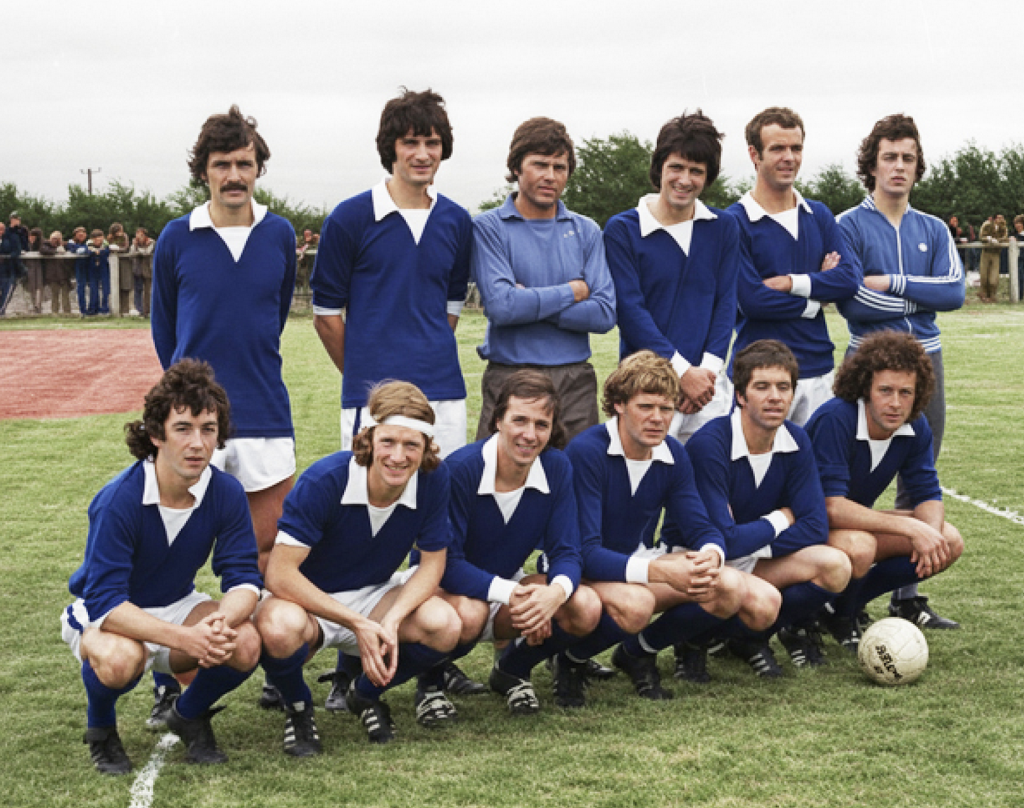
Galway Rovers had already become history-makers in local soccer. While this was all very positive, a continued effort would be required to move the professional game forward and thus the support had to be ongoing. The board of directors was formed and included Martin Moran (Chairman); Pat McNamara (Secretary); P.J. O’Connell (Treasurer) and Amby Fogarty, who was the first manager of the squad. Pat McNamara had played soccer with Galway Rovers and Galway Town and represented Connacht on at least two occasions. He was also a committee member on the senior council of the FAI. Rovers now focused on the professional game and felt the team needed players who had experience at League of Ireland level. Under the guidance of Fogarty, Rovers brought in four professional players, Fran Brennan, Phil Campbell, Shay Doyle and goalkeeper Eddie Wallace. There were also exceptional local players only waiting for the opportunity to make their presence felt on the national stage. The club were well aware of this and overall, they used local talent as much as possible. Some of these players included James O’Toole, Jimmy Duffy, Gerry Lynskey, Tony Collins, Declan Byrne, Joe Keating, Miko Nolan, Tommy Murphy and Eamonn ‘Chick’ Deacy.
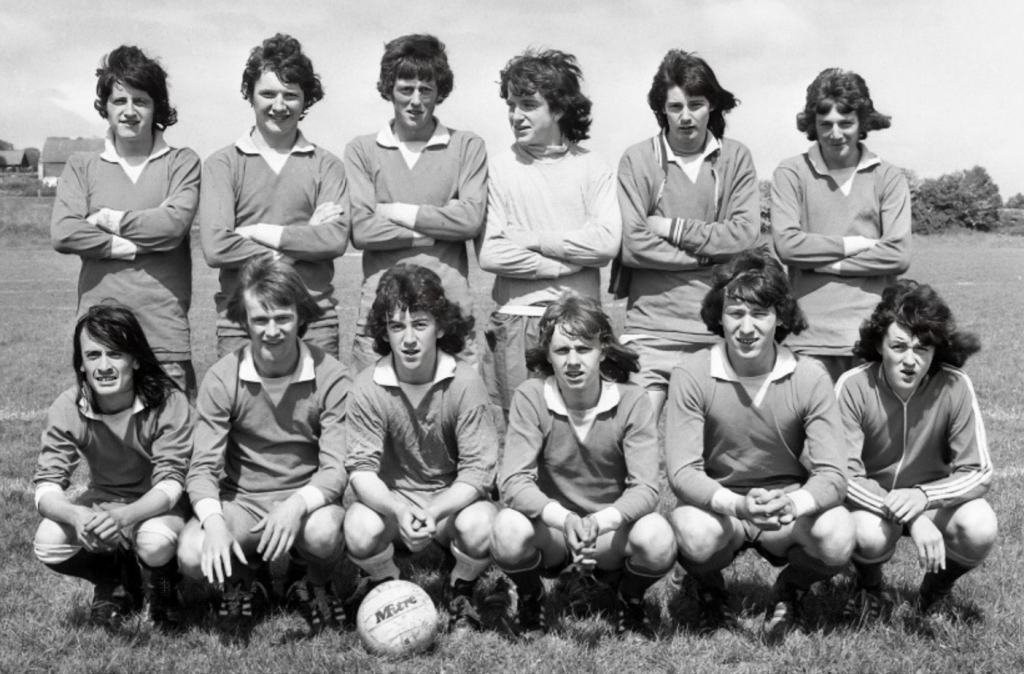
Rovers were drawn against Athlone Town, Sligo Rovers and Finn Harps in the League Cup. Their first match was played on 5 September 1976 in Terryland Park against Athlone Town and ended in a nil-all draw. Gerry Lynskey was captain of the side for this important milestone in the history of Galway soccer. Rovers gave a good account of themselves in all three matches, holding Finn Harps to a draw, and were just beaten by one of those odd goals favouring Sligo Rovers. Despite the results their performance proved that they were well capable of playing League of Ireland soccer. Another milestone followed the following year when they made their debut in the League of Ireland Proper on 28 August 1977. The match was played in Terryland Park against St. Patrick’s Athletic. The atmosphere was overwhelming with thousands crowding into the park showing their support for Rovers. The match ended in a nil all draw, but once again Rovers had given the crowd an entertaining ninety minutes. The local talent proved themselves equal to any of the top players in Ireland. The following are extracts from the match report:
Galway Rovers earned their first point in the League of Ireland when they produced an efficient if not awe-inspiring debut performance to earn a goal-less draw against St. Patrick’s Athletic in a tough tackling game at Terryland Park on Sunday. Clad in their very attractive maroon and white strip, Rovers took to the field to the cheers of the massive home following … It was local boy Tommy Murphy, operating at centre-half, who delighted the home crowd, completely sniffing out the threat of Saint Pat’s player-manager and ex-England International, Barry Bridges … With the midfield exchanges over-robust to say the least; Rovers skipper, Eamonn Deacy, being booked five minutes from the interval for a tackle on St. Pat’s Ironman, Dermot Keely, with whom he was having a running battle over the 90 minutes.
The Galway Ironman, Eamonn ‘Chick’ Deacy, scored the first League of Ireland goal for Galway Rovers on 2 October 1977. (Eamonn went on to play professional soccer with Aston Villa). During the 1980–81 season, Rovers reached the final of the League of Ireland Cup, only to lose on penalties to Dundalk. Nevertheless, enthusiasm continued to spread across the city and drew huge crowds from all over Galway. The people could be sure of a good hard match, as one reporter stated a game ‘full of clean hard tackling’. All the players gave a hundred per cent of their energy and talent. Terryland became a place of pilgrimage on match day and this continued over the following years.
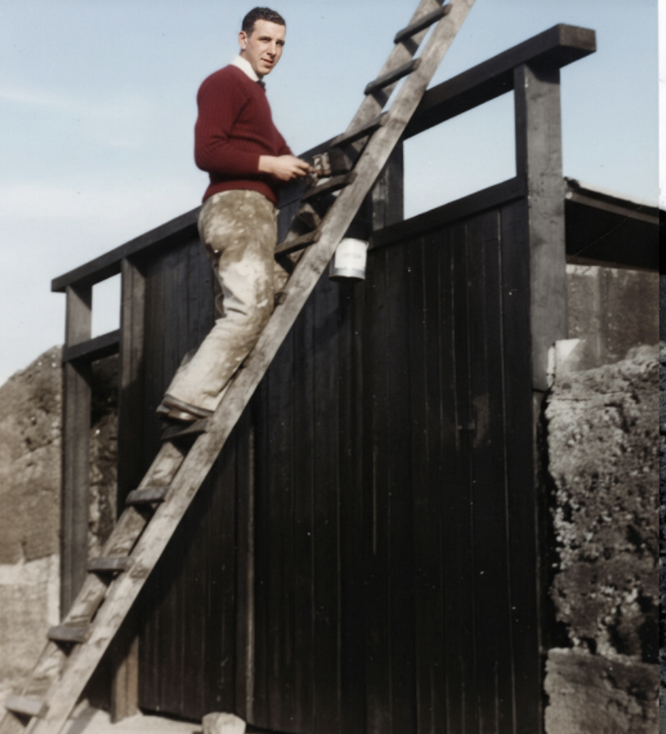
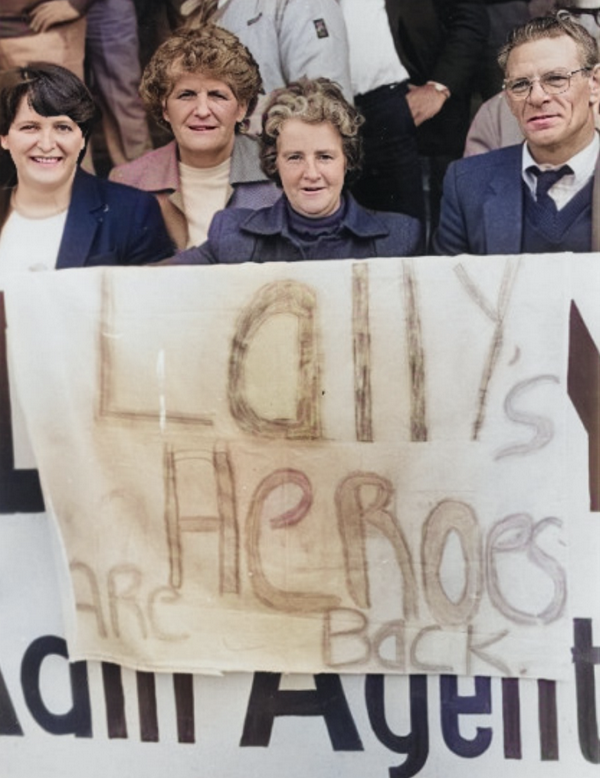
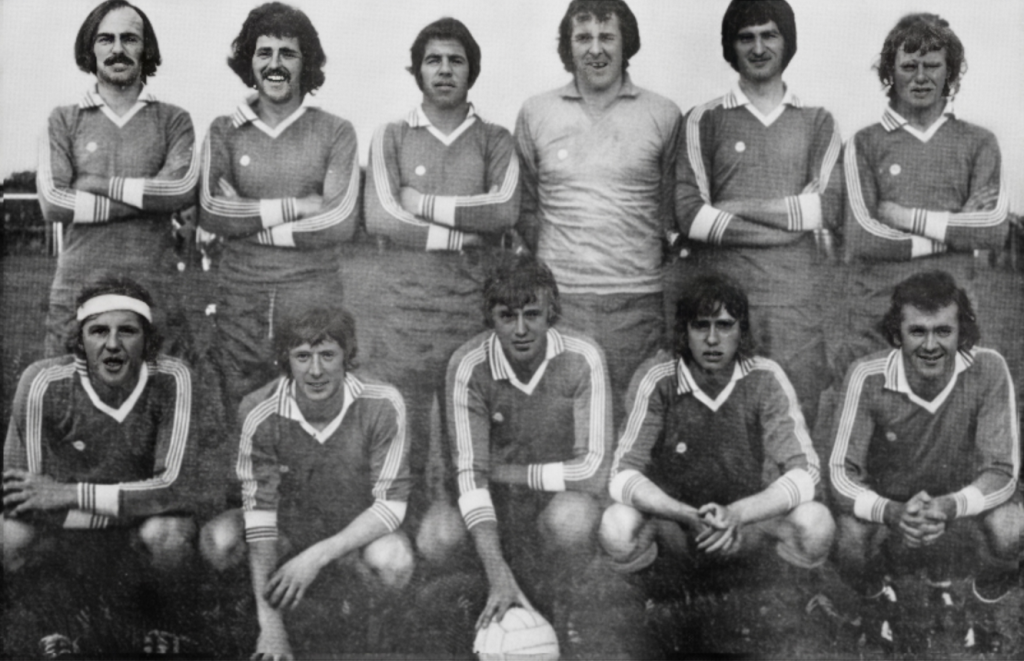
Tom Lally was another great name in Irish soccer and was approached by the Rovers directors to help with the training of the team. Although he was playing with Athlone Town, he agreed and was fully committed to ensuring the success of Rovers. Lally was already well-established in professional soccer, playing for Glasgow Celtic, St. Patrick’s Athletic and Athlone Town. He was a great support to manager Amby Fogerty in those early years. Fogarty was a friend of Brian Clough, manager of Nottingham Forest FC at the time. They had both played with Sunderland FC. Aided by Clough, Fogarty brought over two players from England. These were Donald Penn and Kelvin Clarke, both were Walsall FC players. They were the first players from overseas to play with Rovers. Clarke was a brother of the famous Alan Clarke. When Liverpool were looking for a striker, they considered Donald Penn and Ian Rush; they eventually close Rush and the rest is history. Penn scored a hat-trick for Rovers on his debut. Unfortunately, his career ended abruptly following a serious injury that put him out of football.
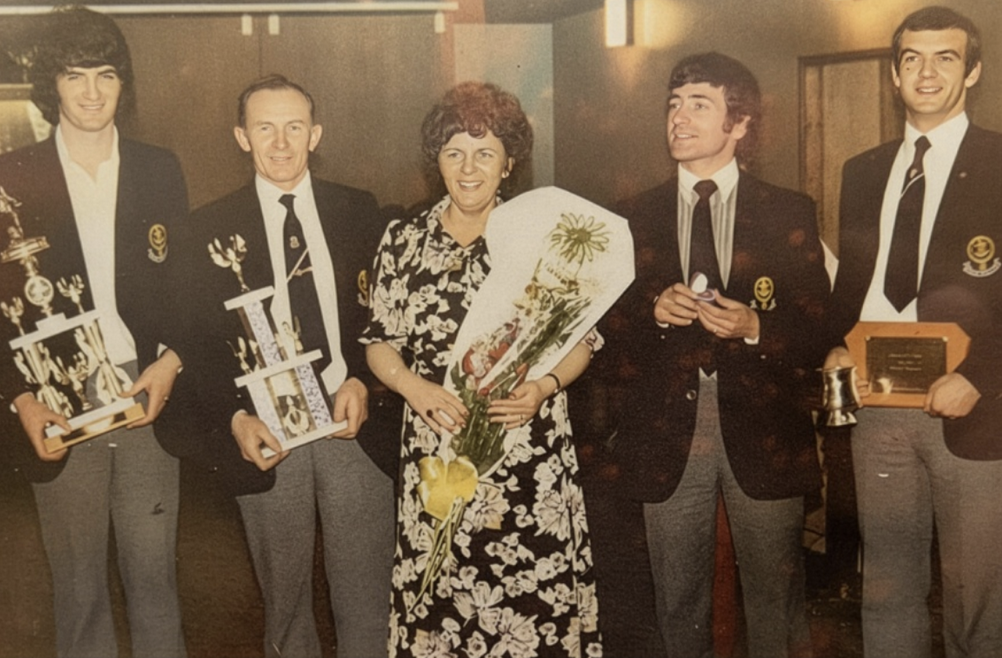
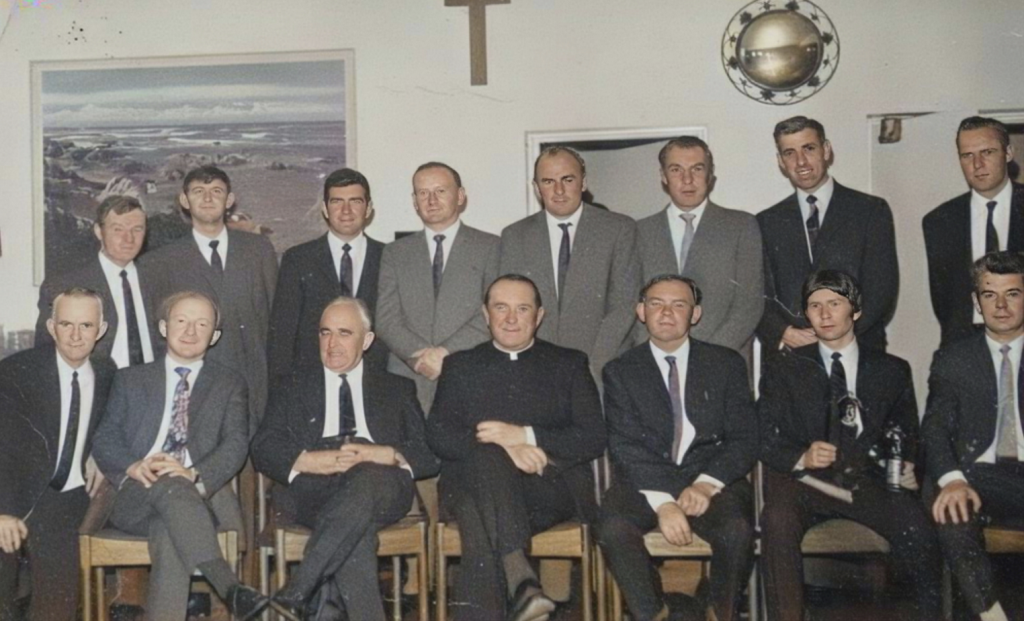
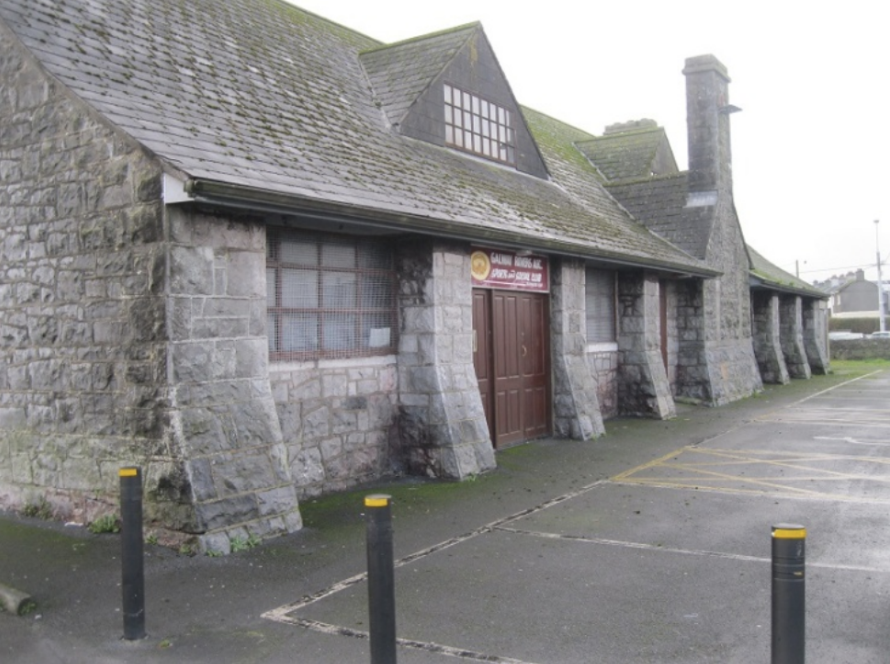
Rovers needed a clubhouse and again members and supporters turned out and worked tirelessly for six months to convert the Claddagh Hall into a sports and social complex. The finance required was £11,000 and once more the people contributed greatly to the success of the project. Finally, in 1978 the Claddagh Hall became the Galway Rovers Sports and Social Club. In September of the following year, Bobby Molloy, Minister for Defence officially opened the new Galway Rovers Clubhouse.
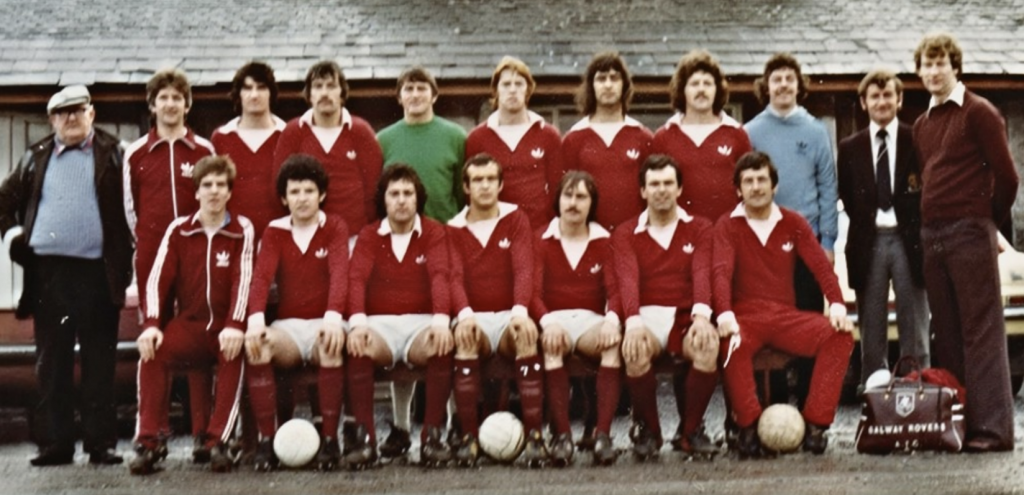
Amby Fogarty stepped down towards the close of 1978 and Tommy Callaghan took over as manager for a time. One could not write about Galway Rovers without mentioning the legendary John Herrick of Irish soccer. John took over the Rovers’ management role in 1979, and later looked after Galway United. In 1981, the name Galway Rovers was officially changed to Galway United.
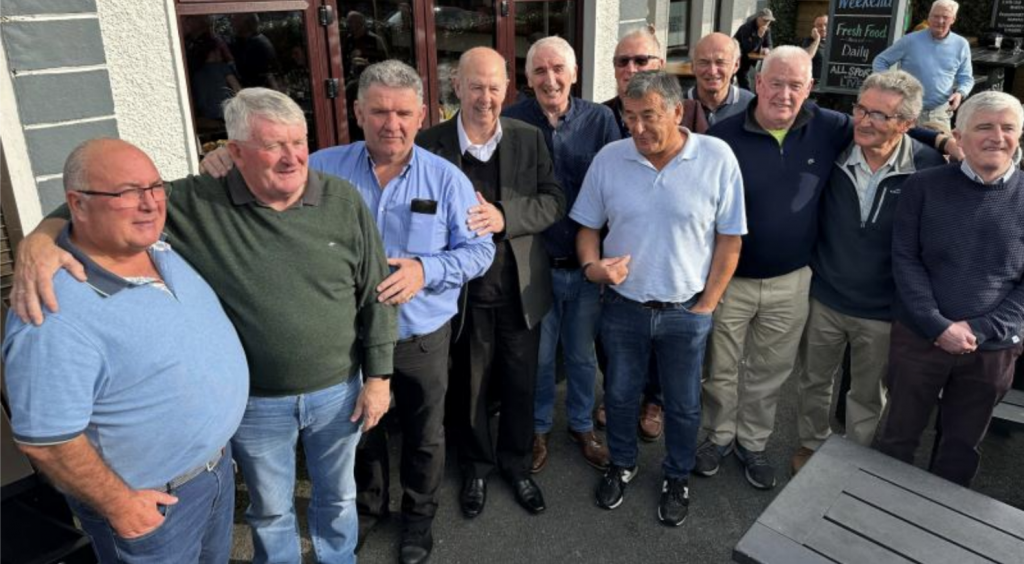
Thanks to Patrick McPhilbin for photograph enhancement. Photographs Courtesy: Galway Rovers Sports and Social Club – Claddagh Hall.